

Introduction to Kolkata’s Culinary Heritage
Kolkata, known as the “City of Joy,” is not only celebrated for its rich cultural heritage but also its vibrant and diverse culinary landscape. The food culture in Kolkata reflects a confluence of various historical influences, resulting in a delectable array of dishes that are cherished by locals and visitors alike. Spanning centuries, the evolution of Kolkata’s cuisine can be traced back to ancient trade routes and colonial encounters, allowing for a unique blend of flavors and techniques.
The city’s culinary diversity is largely attributed to its varied demographic, comprising people from different states of India as well as influences from global cuisines. This melting pot of cultures has given rise to a rich array of ingredients utilized in traditional recipes, including fresh vegetables, aromatic spices, and a variety of fish and meats sourced from the surrounding regions. Bengali cuisine, which forms the backbone of Kolkata’s food culture, is highlighted by its emphasis on subtle flavors, with a focus on healthy cooking techniques.
Street food plays a pivotal role in Kolkata’s food scene, showcasing quick, nutritious meals that are accessible to everyone. From the iconic puchka (the Bengali version of panipuri) to kathi rolls, the streets of Kolkata are replete with vendors offering tempting snacks that have become synonymous with the city itself. These dishes not only appeal to taste buds but also reflect the essence of Kolkata’s social life, where food acts as a catalyst for community gatherings and celebrations.
Moreover, traditional recipes, many of which have been lovingly passed down through generations, tell stories of families, festivals, and the city’s rich heritage. Each dish carries with it a sense of history and cultural significance, making Kolkata a true haven for food lovers. Those who explore the culinary offerings in this city will find that every meal is an adventure, showcasing the deep-rooted culinary heritage that defines Kolkata today.
Roshogolla – The Iconic Sweet
Roshogolla, also styled as Rasgulla, is an iconic sweet that has become synonymous with Kolkata’s culinary tradition. This spongy, syrup-soaked delicacy is not just a treat but a symbol of the city’s rich cultural heritage. Believed to have originated in the 19th century, its roots can be traced back to the legendary sweet makers of Bengal, who transformed simple ingredients into delightful fare. The unique flavor and texture of Roshogolla have made it a favorite among locals and visitors alike, establishing its place as a must-try dish in Kolkata.
The preparation of Roshogolla involves several meticulous steps, beginning with curdling milk to separate the whey. To create the chhena, or cheese, you’ll need approximately 1 liter of full-fat milk. Bring the milk to a boil, then add lemon juice or vinegar gradually until the milk curdles. Once curdled, strain it using a muslin cloth to collect the chhena. Rinse the chhena under cold water to remove any acidic flavor and let it sit for about 30 minutes to lose excess moisture.
Next, knead the chhena for about 10-15 minutes to achieve a smooth, soft consistency. The kneaded dough is then formed into small balls, typically around the size of a marble. In a separate pot, prepare the sugar syrup by dissolving 1 cup of sugar in 4 cups of water and bringing it to a boil. Once the syrup reaches a boiling point, gently add the chhena balls, ensuring they have enough space to expand. Cook these for about 15-20 minutes on medium heat. They will puff up as they absorb the syrup, achieving their characteristic texture.
After cooking, let the Roshogolla cool completely in the syrup before serving. Enjoy it chilled or at room temperature, allowing every bite to celebrate the sweet harmony of flavors that make Roshogolla a true Kolkata classic. This enchanting dish not only delights the palate but also evokes the essence of Bengali traditions, making it an essential part of the city’s culinary landscape.
Biriyani – A Regal Delight
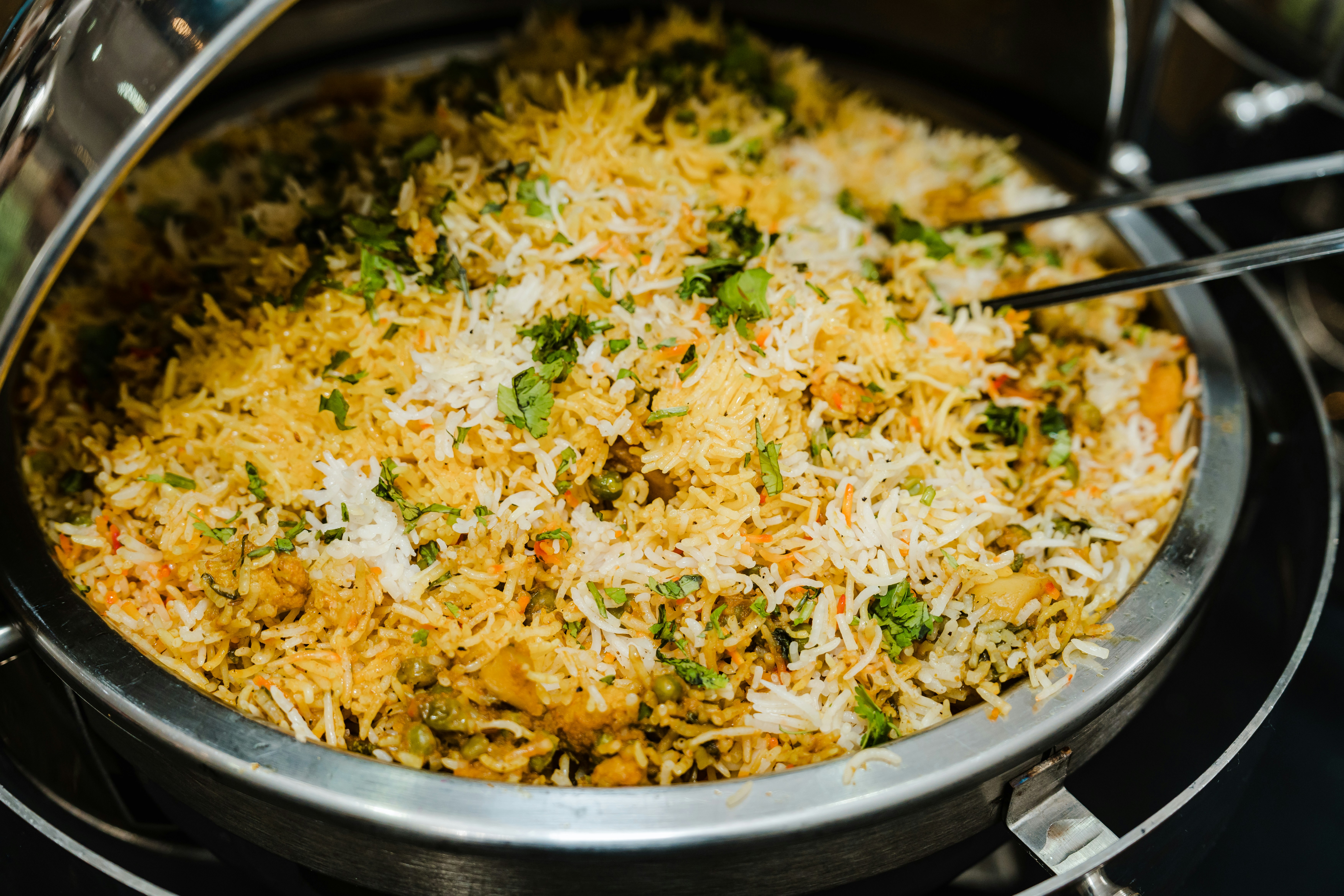
Kolkata Biriyani stands as a culinary testament to the city’s rich history and cultural fusion. Originating from the Awadhi style of cooking brought to India by the Mughals, Kolkata’s unique version emerged in the 19th century. This regal dish distinguishes itself with its use of aromatic long-grain basmati rice, succulent meats, and a medley of spices that infuse it with distinctive flavors. The simplicity with which it is prepared makes it an ideal dish not only for daily meals but as a staple at celebrations and gatherings.
One of the defining characteristics of Kolkata Biriyani is its subtle yet complex flavor profile. Unlike other regional variations, which can often be overly spiced, Kolkata Biriyani provides a balanced blend of spices such as cardamom, cinnamon, and cloves, complemented by the fragrant saffron. The use of potatoes, a unique addition to this variant, absorbs the flavors and adds a delightful texture that enhances this traditional dish.
To prepare Kolkata Biriyani, the marination of meat is crucial. Typically, goat or chicken is marinated with yogurt, spices, and sometimes saffron, allowing the flavors to penetrate and tenderize the meat. The preparation begins with a fragrant, well-spiced stew of meat simmering to perfection. Meanwhile, separate the rice, ensuring it is parboiled to retain its essence yet firm enough for layering. Once the meat is ready, it is time to layer the marinated meat and rice in a heavy-bottomed vessel, often referred to as a ‘handi.’ This layering is key; the technique allows the flavors to meld together while the dish slowly cooks on a low flame, often with a dough seal to trap the steam.
The methodical cooking process culminates in a delightful presentation, inviting diners to experience the rich cultural tapestry of Kolkata through a single plate of Biriyani. It is not just a meal but a reflection of history, embodying the spirit of the city and its diverse culinary heritage.
3. Puchka (Panipuri) – A Street Food Sensation
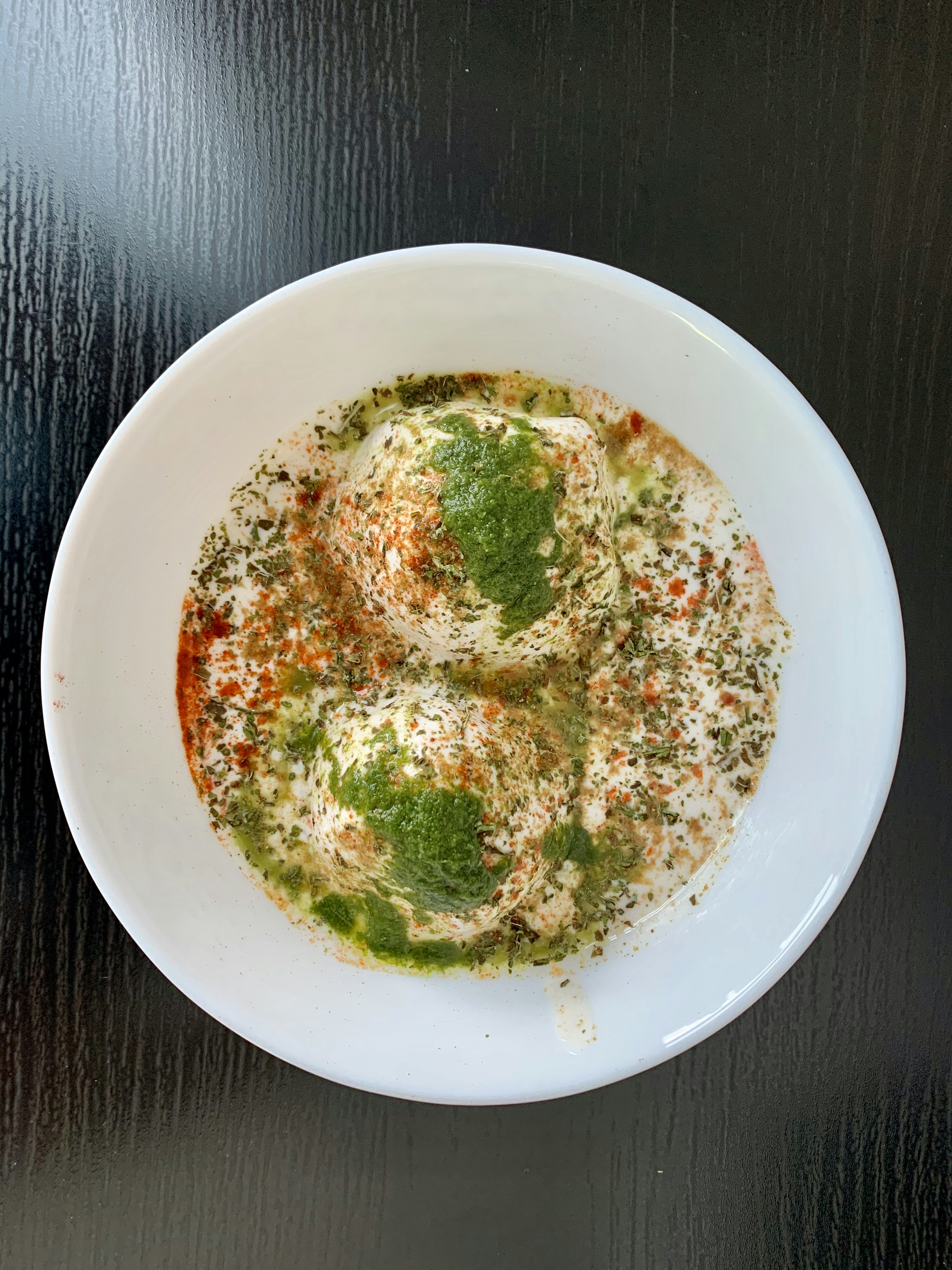
Puchka, widely recognized as a staple of Kolkata’s street food culture, is a delightful snack that captivates the senses with its burst of flavors. Known by different names across various regions, Puchka consists of crisp, hollow puris filled with a variety of savory ingredients and served with an invigorating spicy tamarind water. This iconic dish is popular not only for its taste but also for its versatility in fillings that cater to diverse palates.
When it comes to preparing Puchka, the first step involves crafting the puris. The basic dough comprises semolina and flour, which are kneaded and rolled out into thin circles. These circles are then deep-fried until they puff up and turn golden brown, resulting in the signature crispiness. Once done, the puris are left to cool and are ready to be filled.
The filling options for Puchka are abundant. A classic choice is a mixture of boiled potatoes, chickpeas, and spices, which offers a hearty texture that complements the crispy puris. Alternatively, tangy and spicy fillings such as spiced lentils or mixed vegetables can also be used to suit various dietary preferences. For those with a taste for adventure, fillings can be enhanced with fresh herbs and unconventional ingredients such as raw mango or pomegranate.
The highlight of Puchka is undoubtedly the flavorful tamarind water, which serves as a dipping sauce. This water is made by mixing tamarind pulp with water, and seasoned with roasted cumin, black salt, chili powder, and fresh coriander. The resultant blend is a tantalizing balance of sweet, sour, and spicy notes that elevates each bite of Puchka.
For a truly authentic experience, it is recommended to assemble the Puchka just before serving. This ensures that the puris remain crisp and the flavors meld beautifully, providing a delightful street food experience that is hard to resist. Enjoying Puchka is not just about savoring a dish; it is an immersive culinary journey that captures the essence of Kolkata’s vibrant food culture.
4. Fish Curry – A Bengali Staple
In Bengali cuisine, fish holds a place of immense pride and affection, serving as a cornerstone of daily meals and special occasions alike. The region’s abundant rivers and coastal access have fostered a deep-rooted fish-eating culture, where various species are prepared in diverse methods. Among these, Fish Curry stands out as a quintessential dish, embodying the culinary traditions of Bengal.
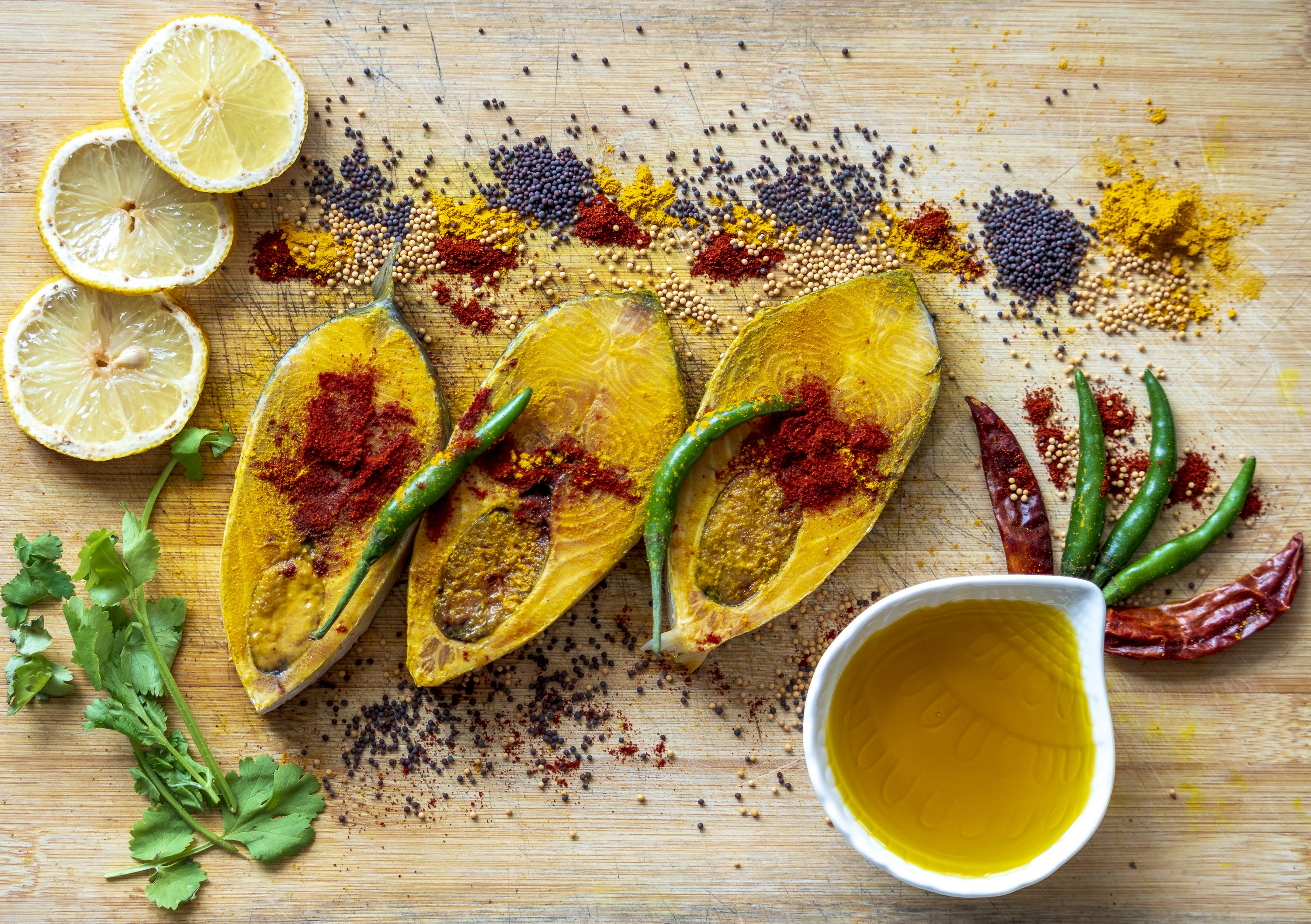
Typically, the Fish Curry utilizes fresh water fish, with commonly favored varieties including Rohu, Katla, and Hilsa. Each type of fish contributes its unique flavor and texture to the dish, allowing for a spectrum of flavor experiences. The selection often depends on seasonal availability and personal preference, but the essence of a good fish curry transcends the type used.
A traditional Bengali Fish Curry recipe assembles a harmonious blend of spices that augment the fish’s natural flavors. Mustard oil is preferred for its distinctive aroma and high smoking point, which adds depth to the dish. Essential spices include turmeric, cumin, and coriander, followed by a delicate use of green chilies for heat. Ginger and garlic are typically incorporated to enhance the overall flavor profile.
To achieve a perfect Fish Curry, begin by marinating the fish with turmeric and salt before frying it lightly to seal in the juices. In the same oil, sauté onions until golden, then add the spice mix, allowing them to bloom and develop their fragrance. Introducing tomatoes, when in season, can provide a subtle tanginess, balancing the richness of the oil and spices.
Once the gravy is prepared, the fish is gently added back to the pot to simmer, ensuring it absorbs the flavored broth without falling apart. A final flourish of freshly chopped coriander leaves can elevate the dish before serving, which is often paired with steamed rice to round out the meal. In conclusion, Bengali Fish Curry is not merely a dish but a reflection of cultural identity, celebrated for its intricate flavors and the warm hospitality it represents in Bengali households.

Leave a Reply