


Introduction to Veg Biryani
Veg Biryani is a vibrant and aromatic rice dish that finds its roots in the Indian subcontinent. Renowned for its rich flavors and appealing fragrance, this vegetarian variant of biryani has gained immense popularity not just in India, but across the globe. The origins of biryani can be traced back to Persian influences, which blended with the local culinary practices of the Indian region, resulting in a variety of biryanis that cater to diverse palates.
There are numerous varieties of biryani, each with its unique twist and flavor profile. Among these, Veg Biryani stands out, made with a medley of vegetables, spices, and, at times, herbs that bring a delightful complexity to the dish. Common vegetables used include carrots, peas, potatoes, and beans, which provide not only color but also nutrition. The vegetarian biryani is often prepared with basmati rice, known for its long grains and fragrant aroma, making it a perfect base for the dish.
The cultural significance of Veg Biryani cannot be understated, as it often graces significant occasions, family gatherings, and celebrations in India. It showcases the exquisite use of local spices and cooking techniques, typically involving slow-cooking or ‘dum’ style, which enhances the dish’s flavors. This cooking method allows the ingredients to meld beautifully, creating a savory experience. The preparation usually includes marinating the vegetables in yogurt and spices, layering them with partially cooked rice, and then steaming everything together to achieve optimal flavor.
As we delve deeper into the art of preparing Veg Biryani, we will explore the ingredients and intricate steps involved in crafting this flavorful delight. Each aspect, from sourcing fresh vegetables to selecting the right blend of spices, plays a crucial role in creating an authentic Veg Biryani that is both satisfying and wholesome.
Essential Ingredients for Veg Biryani
Veg Biryani is a celebrated dish known for its rich flavors and vibrant colors, achieved through a harmonious blend of carefully selected ingredients. The key to an exceptional Veg Biryani lies in the quality and freshness of its components, which contribute significantly to the overall taste and texture of the dish.
At the heart of Veg Biryani is the rice, and Basmati rice is the most commonly used variety. It is preferred for its long grains, which remain separate and fluffy upon cooking. The aroma of Basmati rice elevates the dish, making it a quintessential ingredient in authentic Biryani preparations.
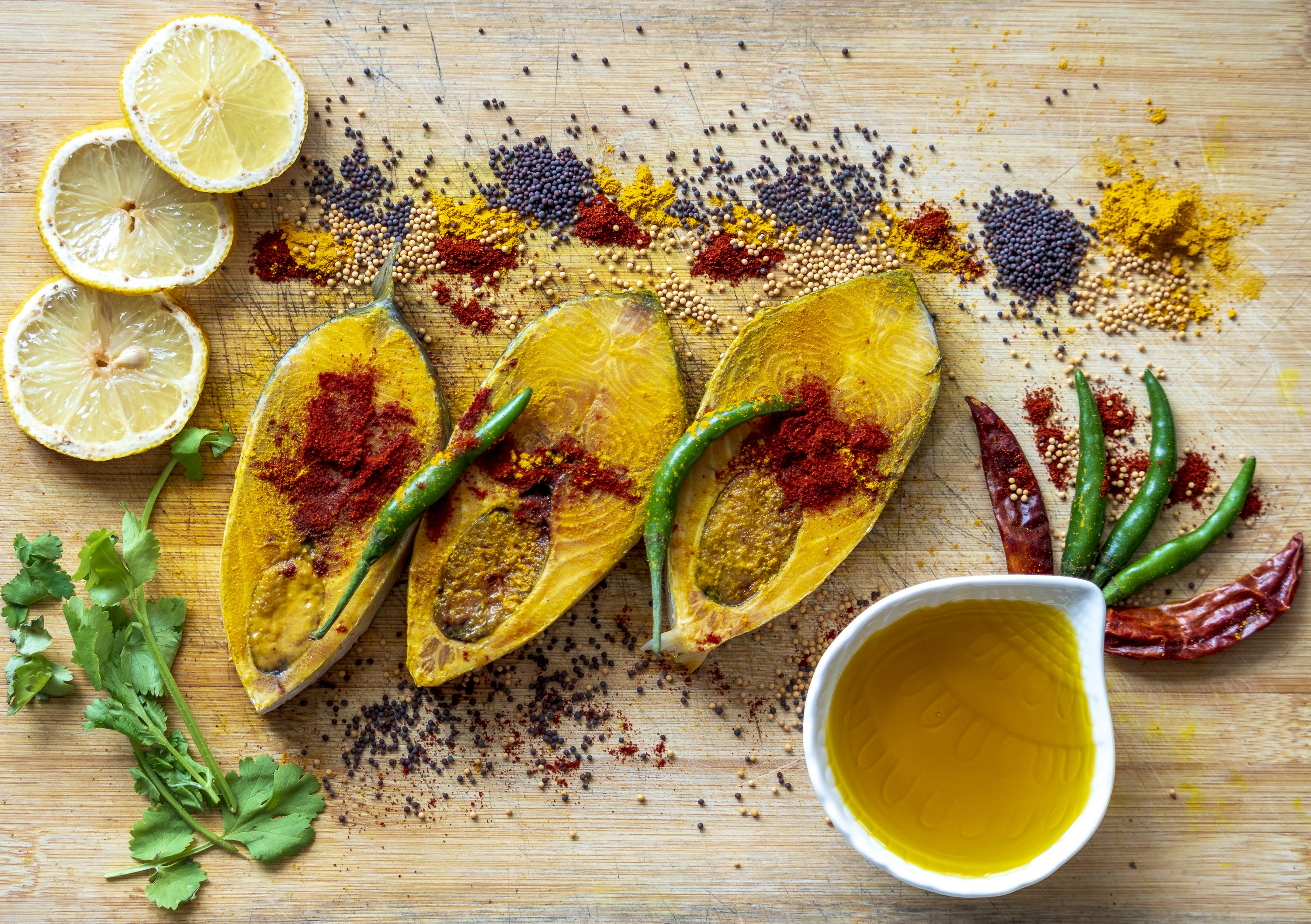
Aromatic spices play a crucial role in developing the characteristic flavors of Veg Biryani. Some essential spices include cumin, cardamom, cloves, cinnamon, and bay leaves. Each spice contributes its unique essence, creating a complex flavor profile. Additionally, saffron is often used to impart a golden hue and a luxurious aroma, while turmeric adds warmth and color.
Vegetables are the stars of Veg Biryani, and a colorful assortment enhances both the visual appeal and nutritional value of the dish. Commonly used vegetables include carrots, peas, potatoes, and bell peppers. These should be fresh and cut into uniform pieces to ensure even cooking and integration with the rice.
Herbs such as coriander and mint are vital for garnishing, providing a fresh burst of flavor that complements the spices and vegetables. Furthermore, fried onions are frequently added as a garnish, offering a crispy texture and adding a savory depth to the Biryani.
In conclusion, the essential ingredients for Veg Biryani—ranging from quality Basmati rice and aromatic spices to fresh vegetables and vibrant herbs—are the building blocks that make this dish a flavorful delight. Selecting high-quality ingredients is paramount in achieving the best flavors and textures, ensuring each bite is a culinary experience to be savored.
Step-by-Step Cooking Instructions
Preparing the perfect Veg Biryani requires careful attention to detail, beginning with the selection of high-quality ingredients. You will need basmati rice, assorted vegetables (such as carrots, peas, and potatoes), and aromatic spices.
First, soak the basmati rice in water for at least 30 minutes. This allows the grains to absorb moisture and prevents them from breaking during cooking. After soaking, rinse the rice under cold water until the water runs clear, then set aside.
Next, prepare the vegetables. Chop them into uniform pieces to ensure even cooking. Common choices include bell peppers, green beans, and onions. In a large skillet or pot, heat a couple of tablespoons of oil or ghee over medium heat. Add whole spices such as cardamom, cloves, and cinnamon to infuse the oil, followed by sliced onions. Sauté the onions until they become golden brown.
Once the onions are ready, add the chopped vegetables and stir-fry for a few minutes until they are lightly tender. Season this mixture with turmeric, cumin, and coriander powders to enhance the flavor. Adding a pinch of salt at this stage helps draw out moisture and tenderizes the vegetables.
In a separate pot, bring water to a boil and add the soaked basmati rice along with some salt. Cook the rice until it is approximately 70% done, which typically takes around 6–7 minutes. The rice should still have a slight bite to it, as it will continue cooking later during the layering process.
Once the rice is ready, drain it and set aside. Now, it’s time to layer the Veg Biryani. In a large pot, layer the cooked vegetable mixture evenly at the bottom. Next, top it with the partially cooked rice, spreading it out gently. For additional flavor, sprinkle fried onions, chopped mint, and cilantro on top. You may also add a splash of saffron-infused milk for a rich color and aroma.
Cover the pot tightly with a lid, sealing it with dough or a kitchen towel to trap steam. Cook the biryani on low heat (dum cooking) for about 30 minutes. This method ensures that the flavors meld together beautifully, producing a quintessential Veg Biryani that is aromatic and rich.
At the end of the cooking time, turn off the heat and let the biryani rest for another 10 minutes before opening the lid. This resting period allows the flavors to deepen. Once ready, gently fluff the rice with a fork and serve hot with raita or salad. The careful layering and distinguished cooking methods contribute to a flawless Veg Biryani experience.
Serving Suggestions and Variations
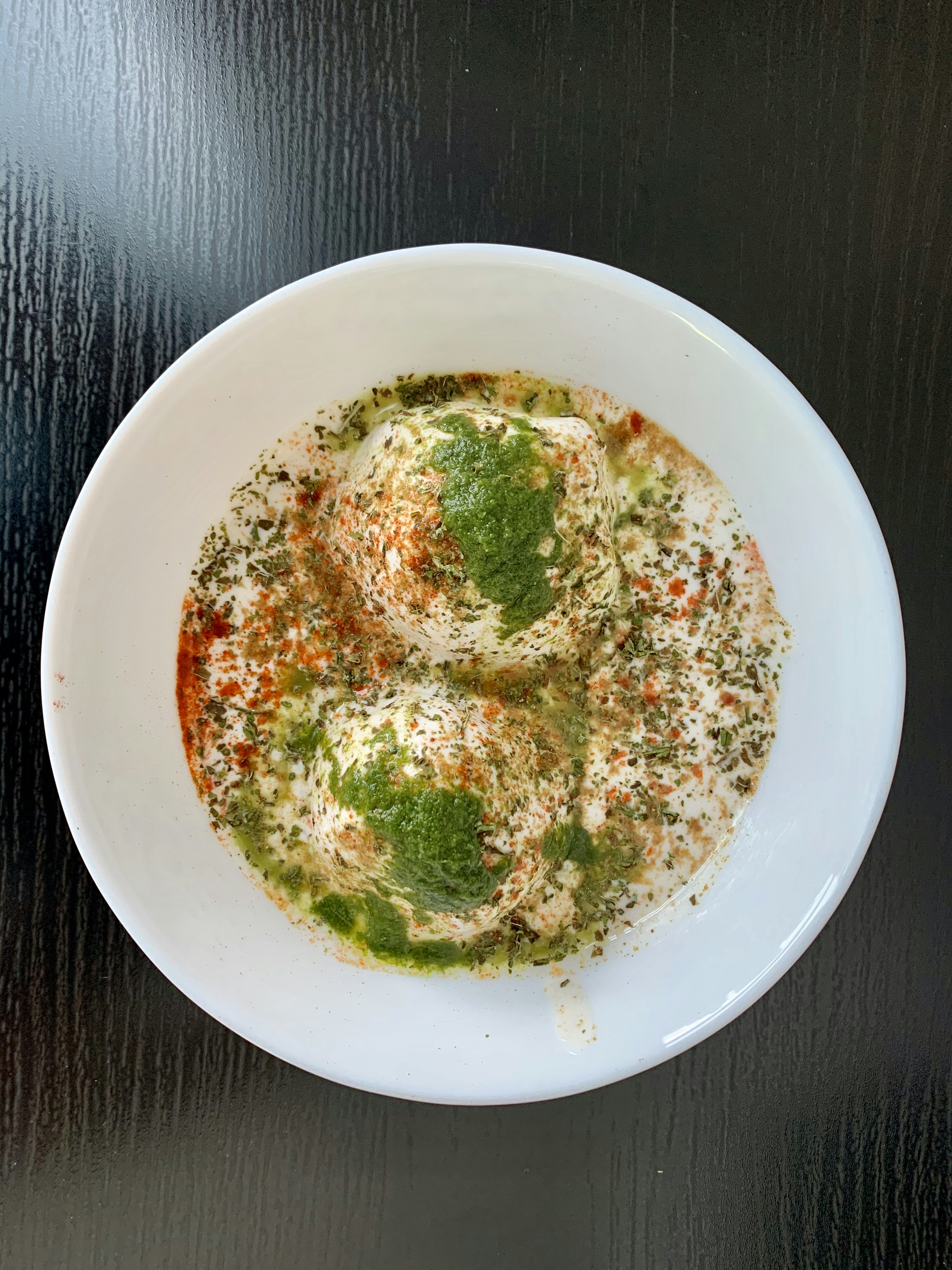
To truly enjoy the delightful flavors of Veg Biryani, it is essential to consider how to serve it alongside complementary side dishes. One popular accompaniment is raita, a refreshing yogurt-based side that balances the warmth and spices of the biryani. A simple cucumber raita can be made with diced cucumbers mixed into yogurt and seasoned with roasted cumin, providing a cooling effect that enhances each bite of the biryani. Additionally, a fresh salad composed of sliced onions, tomatoes, and cucumbers drizzled with lemon juice can add a burst of freshness, making for an ideal contrast to the rich rice dish.
Another classic pairing is pickles, or achars, that provide a tangy, spicy kick that elevates the overall taste experience. The combination of these sides creates a well-rounded meal that satisfies the palate with various textures and flavors.
Varieties of Veg Biryani can cater to different tastes and dietary preferences, broadening its appeal. For instance, you might consider using brown rice or quinoa instead of traditional basmati rice for a healthier alternative, offering increased fiber and nutrients. If the dish is aimed at a spicy flavor profile, additional spices such as green chilies or garam masala can be introduced, allowing enthusiasts to adjust the heat level to their liking. For those seeking a milder taste, substitute some whole spices with aromatic herbs like mint and coriander leaves, which maintain the essence of biryani while keeping the flavors subtle.
Vegetable choices can also vary greatly; seasonal vegetables such as bell peppers, peas, or even roasted pumpkin can be incorporated, making it a versatile dish suited for any time of the year. Other variations worth mentioning include biryanis made with protein substitutes, such as tofu or paneer, for added richness while retaining the vegetarian essence of this beloved dish.


Leave a Reply