

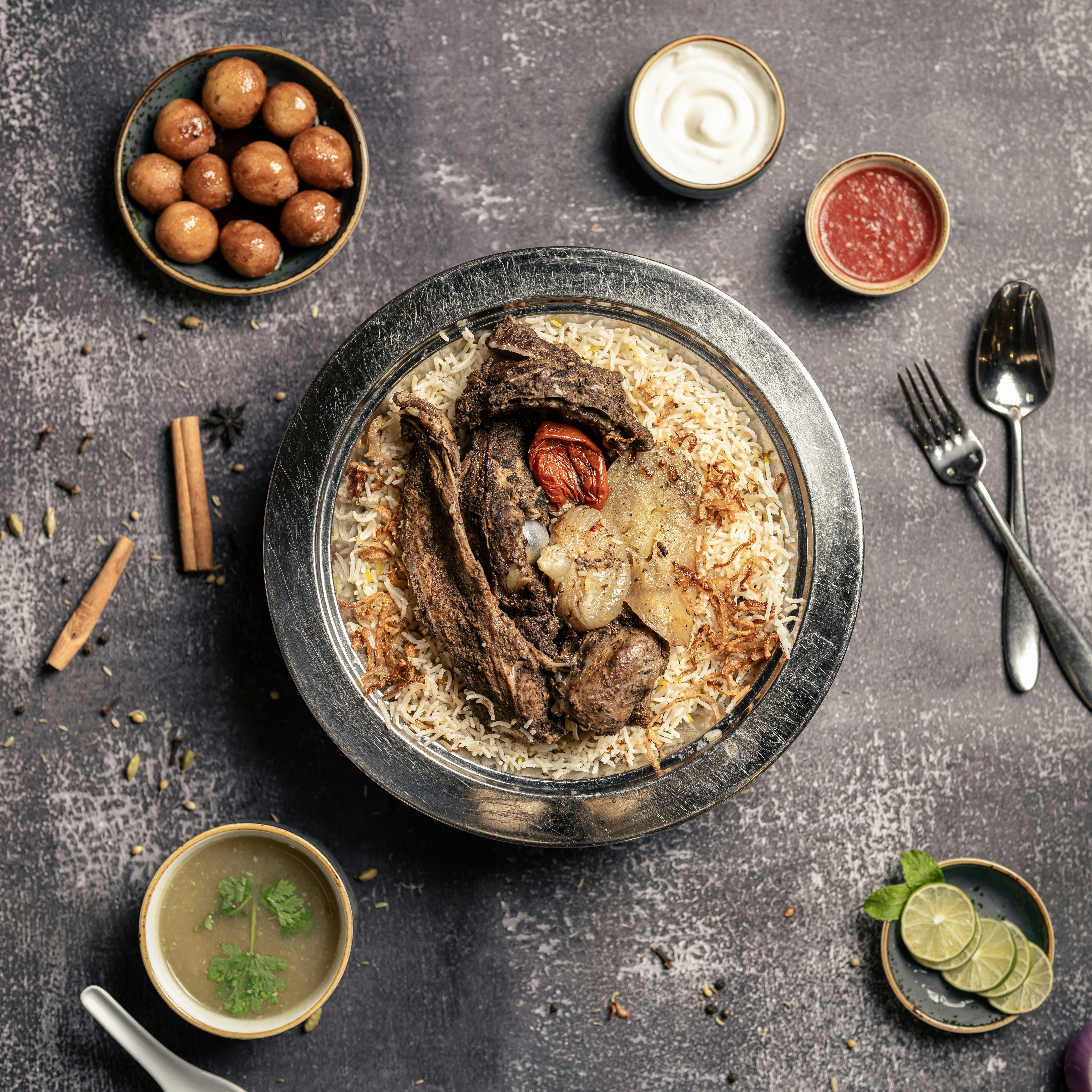
Introduction to UP-Style Mutton Biryani
Mutton biryani is not merely a dish in Uttar Pradesh; it is a culinary symbol steeped in rich history and cultural significance. The origins of biryani can be traced back to the Mughal era when it became a staple for royalty and was known for its unique blend of flavors and textures. In Uttar Pradesh, this legacy has been preserved and enriched, resulting in a distinct style that showcases the region’s culinary artistry.
The influence of Mughal cuisine on UP-style biryani is profound. It incorporates a meticulous cooking technique known as ‘dum,’ which involves slow-cooking the rice and meat together in a sealed pot. This method not only preserves the taste but also infuses each grain of rice with aromatic spices and tender meat juices. UP biryani is characterized by its use of top-quality mutton, marinated with a variety of spices, herbs, and yogurt. This marination process enhances the flavor and tenderness of the meat, setting it apart from biryanis found in other regions.
One key distinction between UP-style biryani and its counterparts is the inclusion of saffron, which contributes to the dish’s vibrant yellow color and elevates its overall aroma. Additionally, the use of rich spices such as cardamom, cinnamon, and cloves creates a harmonious flavor profile that is both robust and refined. It is often garnished with deep-fried onions and served alongside raita, a yogurt-based condiment, which adds a refreshing element to the meal.
As biryani continues to evolve, the traditional UP-style remains a beloved choice, reflecting the heart of Uttar Pradesh’s culinary heritage. The dish not only satiates hunger but also serves as a reminder of the region’s historical ties to Mughal influence, ensuring that each plate of mutton biryani is an experience steeped in tradition.
Ingredients Needed for Mutton Biryani
To create an authentic UP-style mutton biryani, one must gather a variety of ingredients that contribute to its rich flavor and texture. The choice of ingredients plays a crucial role in ensuring the dish remains true to its traditional roots.
First and foremost, the mutton itself is of utmost importance. It is recommended to use high-quality cuts of mutton, such as shoulder or leg, which tend to be more tender and flavorful. Opt for fresh, preferably locally sourced mutton to achieve the best results.
Next, a selection of spices is essential for seasoning the biryani. Commonly used spices include whole spices such as cardamom, cloves, cinnamon, bay leaves, and star anise. Ground spices like coriander powder, cumin powder, and garam masala add depth to the flavor profile. Additionally, saffron strands, when dissolved in warm milk, can impart a unique aroma and color to the dish.
Herbs also play a significant role in mutton biryani. Fresh mint and coriander leaves not only enhance the fragrance of the dish but also balance the mutton’s richness. Onions, often caramelized, provide sweetness and a subtle crunch. Furthermore, yogurt is critical for marinating the mutton, tenderizing it while infusing a tangy flavor.
Rice is another vital component of biryani. Traditionally, basmati rice is used for its long grains and aromatic qualities. It is essential to choose high-quality basmati rice to ensure the biryani retains its characteristic fluffiness and individual grain separation.
Lastly, accompaniments such as slices of boiled eggs, salad, and raita (a yogurt-based side dish) are typically served alongside the biryani, completing the meal and adding layers of flavor. Ensuring the quality and authenticity of all these ingredients will undoubtedly lead to an extraordinary mutton biryani experience.
Step-by-Step Cooking Process
To prepare an authentic mutton biryani, especially in the style characteristic of Uttar Pradesh, it is essential to follow a meticulous step-by-step process. Beginning with the marination of the mutton, select high-quality mutton pieces, preferably from the shoulder or leg, for optimal flavor and tenderness. Combine yogurt, ginger-garlic paste, green chilies, and a blend of aromatic spices such as garam masala, cumin, and coriander powder. Allow the mutton to marinate for at least two hours, or preferably overnight, to absorb the flavors fully.
Once marinated, the next crucial step is preparing the rice. Use aged basmati rice, renowned for its long grains and fragrance. Rinse the rice several times to remove excess starch and soak it in water for approximately 30 minutes. After soaking, bring a large pot of water to a rolling boil and season it with salt, whole spices like cardamom, cloves, and bay leaves. Add the soaked rice, cooking it until it is about 70% done, as it will continue cooking later during the final layers.
At this point, preheat a heavy-bottomed pot or a traditional handi, which is ideal for biryani. Start layering by placing half of the partially cooked rice at the bottom, followed by the marinated mutton, which should be cooked just enough to be fragrant. Proceed with the remaining rice as the top layer. Here, it is vital to use the ‘dum’ cooking method, which involves sealing the pot with dough or a tight-fitting lid to trap steam, creating a unique flavor profile and tenderizing the meat.
For the final cooking stage, place the pot on low heat and allow it to cook for approximately 45 minutes. This method ensures that the flavors meld beautifully, resulting in tender mutton and perfectly cooked rice. After removing it from the heat, let the biryani rest for about 15 minutes before gently fluffing with a fork. This careful process of marinating, cooking, and layering enhances the biryani’s overall flavor and texture, making it a sumptuous dish worthy of any occasion.
Serving Suggestions and Accompaniments
When it comes to serving authentic mutton biryani, particularly in the UP style, the accompaniments play a crucial role in enhancing the overall dining experience. The rich and aromatic flavors of the biryani can be perfectly complemented by a few traditional side dishes that elevate the meal.
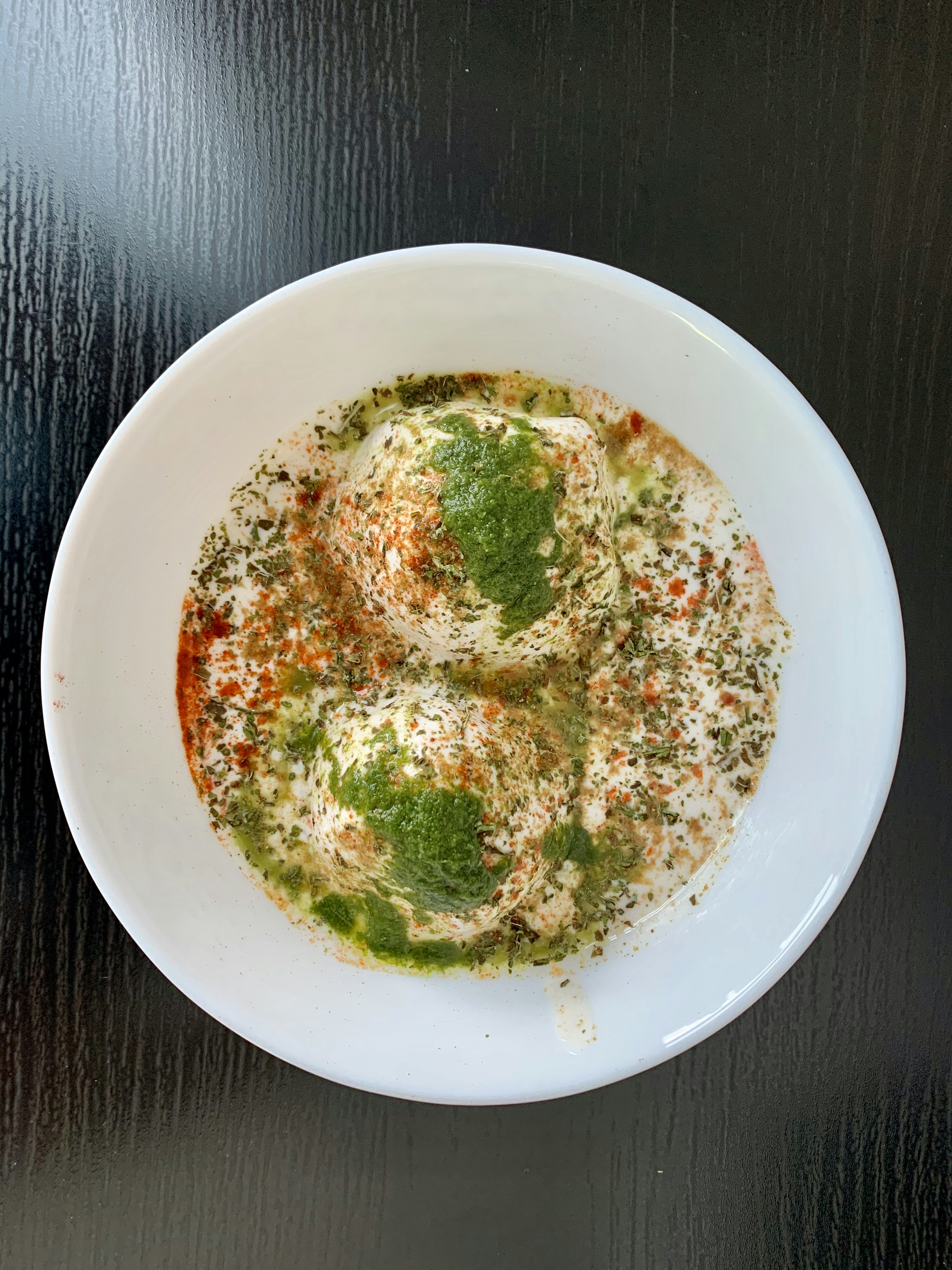
One of the most popular accompaniments for biryani is raita. Made from yogurt, raita provides a cooling contrast to the spiciness of the mutton biryani. You can prepare a simple cucumber raita or a more diverse version including herbs like mint and coriander. This not only balances the heat but also adds a refreshing touch to the plate.
Adding a fresh salad can also enhance the meal. A salad made with diced cucumbers, tomatoes, and onions dressed lightly with lemon juice and chaat masala brings a crunchy texture and a tangy flavor that pairs exceptionally well with the biryani. The freshness of the salad acts as a palate cleanser, making each bite of biryani more enjoyable.
Chutney, particularly mint or coriander chutney, can provide an extra layer of flavor. A smooth and spicy chutney is a delightful addition that not only enhances the taste but also adds visual appeal to the dining experience. Consider serving a spoon of chutney alongside the biryani for guests to use as per their preference.
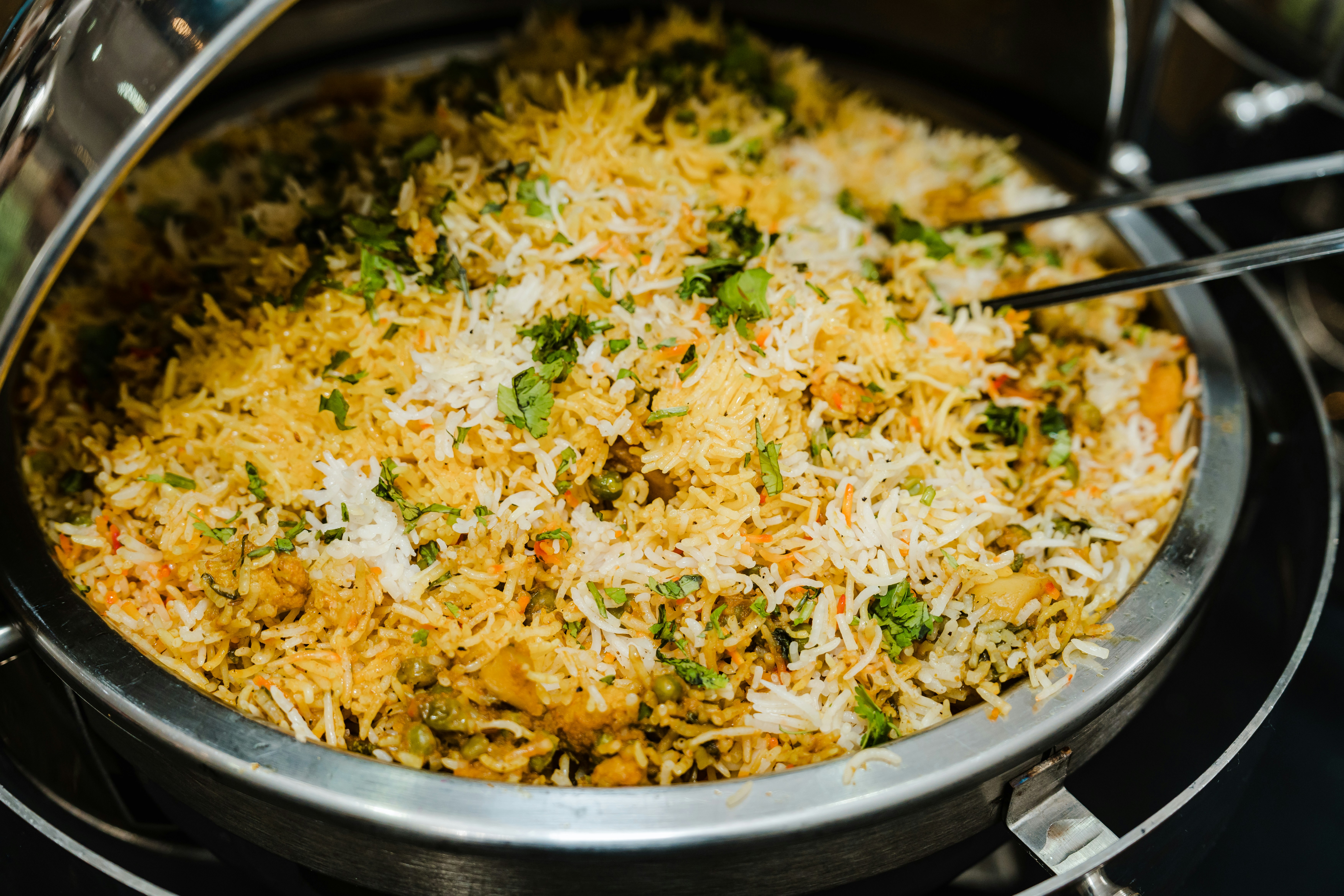
For presentation, serving biryani in a traditional handi or a decorative bowl adds to the aesthetic appeal. Garnishing the biryani with fried onions and fresh herbs just before serving can also make a significant difference in visual attractiveness. Soft, fluffy naan or parathas can be served alongside for those who prefer a bread to accompany their biryani, further completing the meal.
Overall, serving authentic mutton biryani with these carefully selected accompaniments not only enhances the flavors but also transforms the meal into a memorable experience, highlighting the richness of UP culinary traditions.



Leave a Reply