

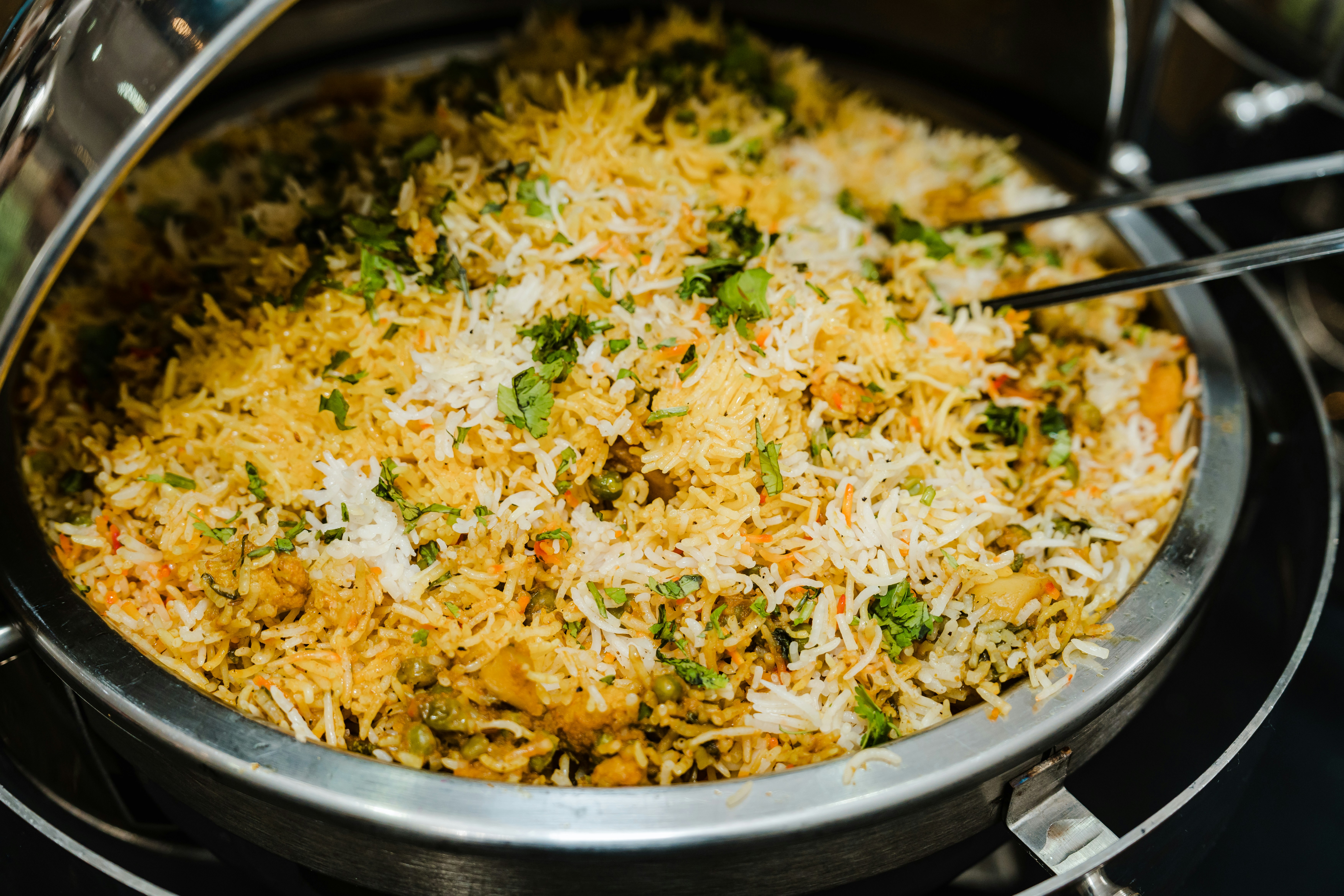
Dum biryani is a layered rice dish made by combining partially cooked basmati rice with marinated meat or vegetables, fried onions, herbs, spices, and a small amount of flavorful liquid. These layers are sealed in a heavy pot and finished over low heat. The enclosed cooking environment allows the ingredients to steam gently, enabling the rice to absorb the aromas of the marinade, spices, and herbs without becoming mushy. When prepared correctly, each long grain remains separate while the meat becomes tender and richly seasoned.
Begin with aged, long-grain basmati rice, whose firm structure and natural fragrance are particularly suited to slow cooking. Choose chicken, lamb, or vegetables according to preference, adjusting the quantity to match the number of servings and the cooking time required by the selected protein. A yogurt-based marinade typically includes ginger-garlic paste, lemon juice, salt, and ground spices such as chili powder, turmeric, coriander, or garam masala. Yogurt tenderizes meat while helping the seasonings cling to its surface. For a vegetarian version, firm vegetables, paneer, or potatoes can take the place of meat.
Additional essentials include thinly sliced onions for frying, fresh mint, cilantro, ghee or oil, and whole spices such as cardamom, cinnamon, cloves, bay leaves, and cumin. Saffron steeped in warm milk adds color and a distinctive aroma; turmeric-colored milk provides a practical alternative. Keep extra salt available for seasoning the rice water, since properly salted water builds flavor from the beginning. Optional additions include green chilies, rose water, kewra water, cashews, raisins, and potatoes. Ingredient quantities should be adjusted for the chosen protein, rice-to-filling ratio, and serving size. Fresh herbs and high-quality basmati rice make a noticeable difference, contributing the fragrance and texture that define a well-balanced dum biryani.
Begin by preparing a balanced marinade for the main ingredient. In a bowl, combine plain yogurt with ginger-garlic paste, salt, chili powder, turmeric, and garam masala or biryani masala. Add fresh lemon juice for acidity and a little oil or melted ghee to help distribute the spices and keep the mixture moist. Finish with chopped mint and coriander, or other fresh herbs suited to the recipe. Taste the marinade carefully before adding raw meat, adjusting the salt and heat as needed.
Add evenly cut chicken, lamb, or vegetables to the bowl and turn each piece until it is thoroughly coated. The marinade should cling to the ingredient rather than collect thinly at the bottom. Cover and refrigerate the mixture so the seasoning can penetrate. Chicken requires at least 30 minutes, although several hours will produce a deeper flavor. Lamb and other tougher meats generally benefit from a longer marinating period, preferably overnight when practical. Keep all marinated ingredients chilled, and avoid leaving them at room temperature for extended periods.
While the main ingredient rests, prepare the fried onions, often called birista. Slice the onions as evenly as possible so they cook at the same rate. Fry them in batches over medium heat, using enough oil to prevent crowding. Stir occasionally and remove each batch when it is golden rather than dark brown, because the onions continue to deepen in color after they leave the oil. Drain them thoroughly on a rack or absorbent paper, reserving the fragrant cooking oil if desired.
For a fragrant finishing mixture, soak saffron strands in warm milk for several minutes, then set the mixture aside for layering. If saffron is unavailable, milk tinted with a small amount of turmeric provides color, though its flavor is less complex. When using raw meat at the bottom of the pot, cut it into uniform pieces and ensure the marinade contains adequate yogurt, lemon juice, and other moisture. This helps the meat cook gently during the sealed steaming stage without drying out.
Rinse the basmati rice in a large bowl, changing the water several times, until it becomes mostly clear. This removes excess surface starch and helps the grains remain separate during cooking. Cover the rinsed rice with fresh water and soak it for approximately 20 to 30 minutes. Soaking allows the grains to absorb moisture gradually, encouraging more even cooking and reducing the risk of broken rice.
Bring a large pot of water to a vigorous boil and season it generously with salt. Add whole spices such as bay leaves, cinnamon, cardamom, and cloves to create a fragrant cooking liquid. Drain the soaked rice, add it to the boiling water, and cook it only until it is about 70 percent done. The grains should look elongated and feel tender on the outside, but a firm center should remain when one is bitten. Drain the rice immediately and thoroughly. Allowing it to sit in hot water will carry over the cooking process and can result in soft, mushy grains.
To assemble the biryani, spread the marinated meat or vegetables across the bottom of a heavy-bottomed pot. Add a portion of the fried onions, mint, and cilantro, then spread the partially cooked rice loosely over the top. Finish with saffron-infused milk, ghee, more fried onions, mint, and cilantro. Optional nuts or dried fruit can add contrasting texture and sweetness. Keep the layers airy rather than pressing them down, since compacted rice cannot steam evenly. The pot should not be overfilled; leave sufficient space for steam to circulate and for the rice to expand without spilling or becoming compressed.
When using lamb or another slow-cooking cut, pre-cook the meat until it is nearly tender before layering. This ensures that the meat finishes cooking at the same time as the rice. Chicken, seafood, or tender vegetables may require less preparation, depending on their size and cooking time. Once layered, seal the pot and cook gently so the trapped steam completes the dish without disturbing the distinct layers.
Once the rice, meat, and masala have been layered, seal the pot firmly so the steam remains inside. Place a sheet of aluminum foil over the rim, then fit the lid securely on top. For a more traditional seal, press a rope of flour dough around the lid’s edge and the pot, closing any gaps. A tight seal helps the trapped steam finish cooking the rice and gently tenderize the meat.
Begin over medium-high heat for a short period, usually just long enough for the pot to become hot and steam to develop. Then reduce the heat to very low and continue cooking until the protein is tender and the rice is fully cooked. Set the pot on a flat pan, griddle, or heat diffuser rather than directly over the flame. This distributes heat more evenly and helps prevent the bottom layer from scorching.
Cooking time depends on the protein, the quantity, and the type and thickness of the pot. Chicken generally cooks more quickly than lamb, while lamb may need a longer, gentler cooking period. Vegetable biryani usually requires only enough time for the rice to finish steaming and the vegetables to become tender. Avoid lifting the lid repeatedly, since each opening releases valuable steam.
When cooking is complete, turn off the heat and leave the pot sealed for 10 to 15 minutes. This resting period allows moisture to redistribute and the grains to firm. Open the lid carefully, then fluff the biryani with a wide spoon or fork, lifting gently from the bottom rather than stirring vigorously. Serve portions that include rice, masala, and the main ingredient while keeping the grains intact.
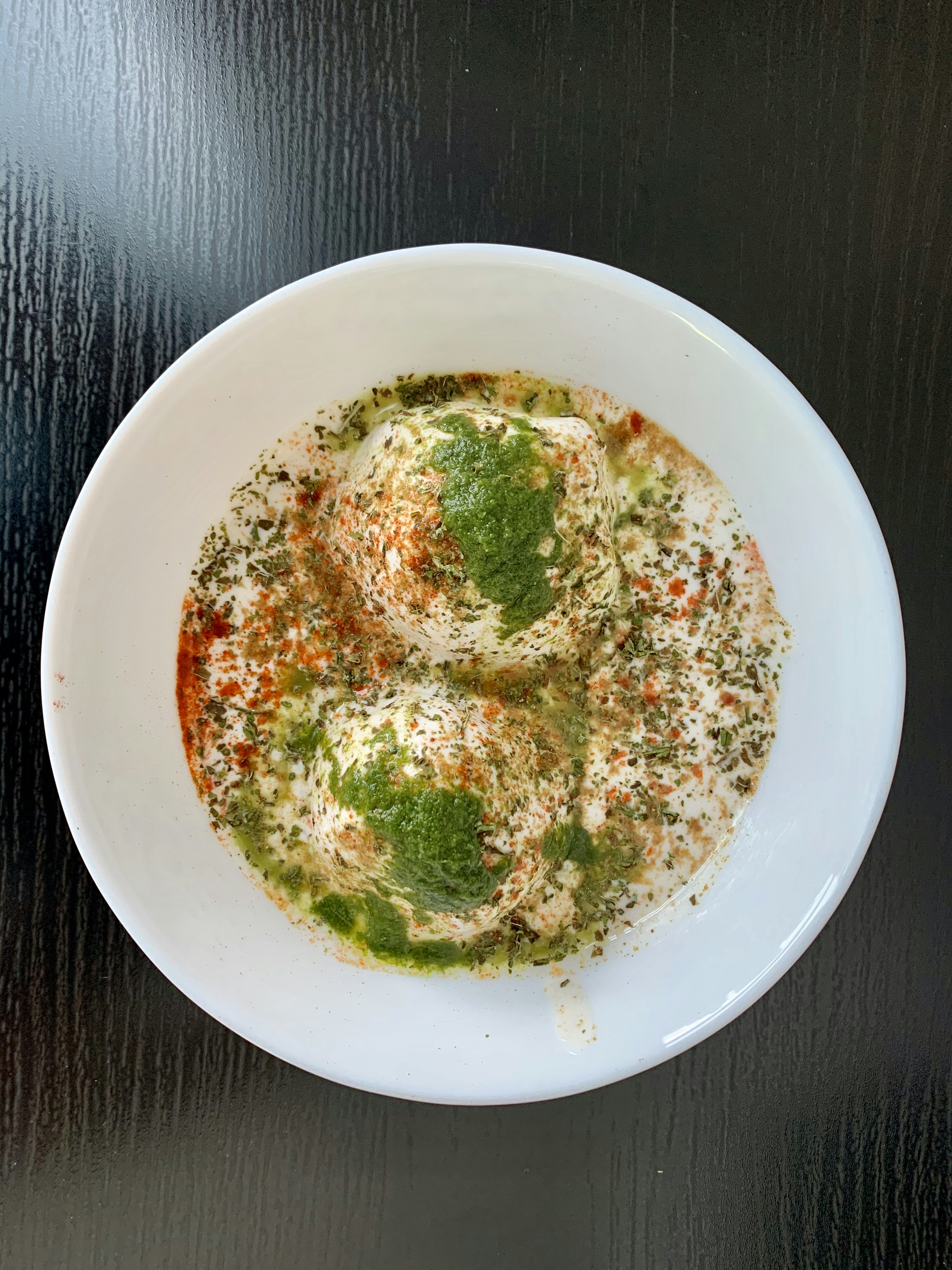
If the rice remains undercooked, sprinkle in a little hot water, reseal the pot, and steam it briefly over low heat. Excess moisture may require a few uncovered minutes on very low heat. Dry meat can be improved with a small amount of warm stock or gravy, whereas a scorched base should be left undisturbed and the unburned biryani transferred to another dish. Serve with raita, salad, chutney, boiled eggs, or cooling yogurt.





Leave a Reply