

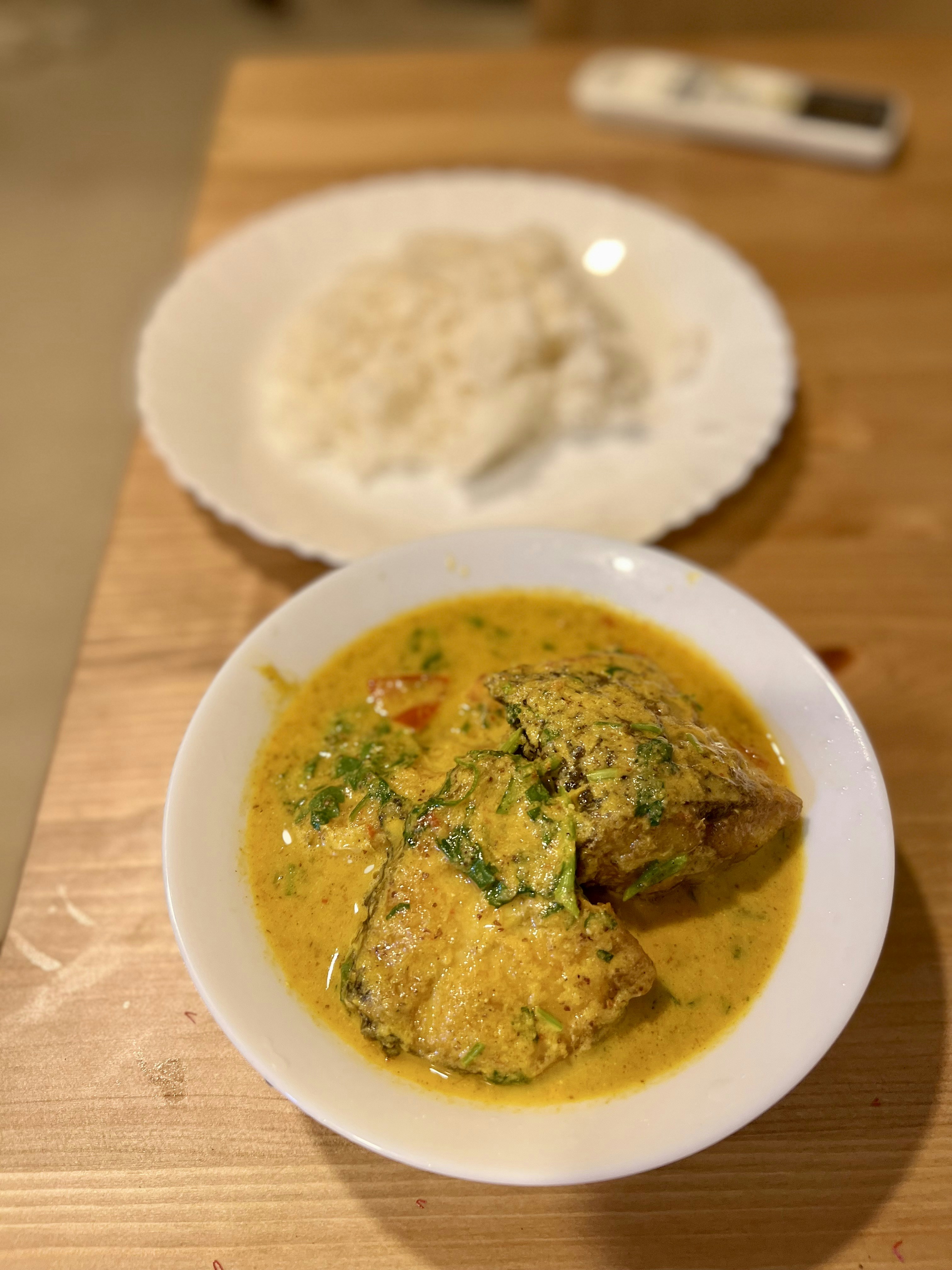
Introduction to Indian Fish Curry
Indian fish curry represents a significant facet of the Indian culinary landscape, known for its aromatic flavors and richness. This dish varies greatly across the different regions of India, each bringing its unique ingredients and cooking techniques. Coastal areas like Kerala, Goa, and Bengal are particularly renowned for their fish curries, showcasing the freshness of local seafood and an array of spices that enhance the dish’s overall profile.
The vibrant flavors found in Indian fish curry owe much to the diverse spices used, including turmeric, cumin, coriander, and chili powder. These spices not only provide heat but also contribute to the overall depth of flavor, making the dish appealing to a wide variety of palates. Additionally, herbs such as cilantro and curry leaves are often incorporated, adding freshness and elevating the sensory experience of the dish.
Culturally, fish curry holds a significant place in Indian households, often served during family gatherings, celebrations, and festive occasions. It symbolizes hospitality and warmth, with families taking pride in their unique recipes handed down through generations. For many, preparing fish curry is not merely a cooking task but an art form that reflects regional heritage and family traditions.
As seafood is a staple in many Indian states, fish curry has gained popularity among seafood lovers both within the country and around the world. The dish has transcended its regional roots and found its way into restaurants and homes internationally, showcasing the rich culinary tapestry of Indian cuisine. Understanding the background and variations of Indian fish curry provides a solid foundation for those looking to recreate this beloved dish in their own kitchens.
Choosing the Right Fish
When preparing an authentic Indian style fish curry, selecting the right fish is crucial to achieving the desired flavor and texture. Different regions in India have their preferred types of fish, which can greatly influence the overall taste of the curry. For instance, in coastal areas, local varieties such as mackerel and pomfret are popular due to their rich flavor and tender flesh. These fish hold up well to the spices commonly used in Indian curries, allowing the spices to infuse without overpowering the natural taste of the fish.
Another excellent choice is basa fish, known for its mild flavor and flaky texture. This type of fish adapts well to various Indian spices, making it a versatile option for curry dishes. If you are looking for something with a firmer texture, consider using snapper or salmon. These options meld beautifully with coconut milk and offer a luxurious mouthfeel that complements the curry’s richness.
For those who prefer a more traditional approach, using freshwater fish like rohu or catla is highly recommended, especially in the eastern regions of India. These fish not only provide great taste but also absorb the spices beautifully, enhancing the depth of flavor within the curry. It is essential to ensure that whatever fish you choose is fresh, as the quality of the fish directly impacts the final dish.
In summary, when selecting fish for your Indian style fish curry, consider the local preferences and characteristics of the fish. Opt for varieties that will withstand cooking while absorbing the flavors of your spices and ingredients. The right choice of fish can elevate your curry, creating a memorable and authentic dining experience.
Essential Ingredients for Indian Fish Curry
Creating an authentic Indian fish curry requires a careful selection of ingredients that contribute to its rich flavors and aromatic profile. The essence of this dish lies in a harmonious blend of spices, herbs, and other essential components, each playing a vital role in achieving the desired taste.
First and foremost, the fish itself is a critical ingredient. Ideally, fresh fish such as cod, tilapia, or snapper is preferred for its tender texture and ability to absorb spices. If fresh options are unavailable, frozen fish can be a suitable substitute, although freshness is often paramount in achieving authentic flavors. Next, a variety of spices forms the foundation of Indian fish curry. Commonly used spices include turmeric, cumin, coriander, and red chili powder, which together create a complex base. Additionally, fenugreek seeds and mustard seeds can add a unique depth to the dish.
Herbs, particularly fresh cilantro and curry leaves, elevate the curry’s aroma and visual appeal. These herbs not only complement the spices but also enhance the authenticity of the dish.
Another essential component is the cooking fat; traditional recipes often call for mustard oil, which imparts a distinctive flavor. However, vegetable or coconut oil can also be used for a milder taste. Onions, tomatoes, and garlic are fundamental for the curry’s gravy, providing sweetness and acidity, while ginger adds a hint of spice and warmth.
Finally, do not forget about coconut milk or yogurt, which can be included to enrich the sauce, bringing a creamy balance to the spiced elements. Utilizing fresh ingredients enhances the authenticity and nutritional value of the dish, but pantry staples remain excellent for convenience, making it versatile for various cooking styles. Together, these components create a delightful experience that is truly representative of Indian culinary tradition.
Preparation of the Fish
Preparing fish for an authentic Indian-style fish curry involves several essential steps that ensure the final dish is flavorful and well-cooked. The first step is cleaning the fish thoroughly under cold running water to remove any residual scales, blood, or gut. It is crucial to use a sharp knife to scrape away any scales that may remain, particularly for varieties such as pomfret, tilapia, or salmon which are commonly used in curries.
Once cleaned, the next stage is to cut the fish into suitable pieces, usually fillets or thick chunks, to allow for even cooking and maximized flavor absorption from the spices in the curry. For best results, the pieces should be around one to two inches thick, as this size provides a balance between tenderness and texture.
Marination is a significant aspect of preparing fish for curry, as it enhances the overall flavor profile. To achieve an authentic taste, a marinade consisting of spices such as turmeric, red chili powder, cumin, and a pinch of salt is ideal. Additionally, incorporating ingredients like lemon juice or vinegar not only aids in flavor enhancement but also helps in tenderizing the fish. It is advisable to let the fish marinate for at least 30 minutes; however, for deeper flavors, marinating it for several hours or even overnight can yield superior results.
As you prepare the fish, avoid any aggressive handling, as this can break apart delicate fillets and affect the presentation of your dish. Once the marination period is complete, the fish is ready to be added to the curry, ensuring a burst of flavor with each bite. Properly preparing the fish lays a solid foundation for creating a rich, authentic Indian-style fish curry that is sure to impress.
Spice Mix and Cooking Base
Creating an authentic Indian fish curry starts with a well-balanced spice mix and a flavorful cooking base. The spice mix is paramount in delivering the complex taste associated with Indian culinary traditions. Common spices used include cumin, coriander, turmeric, and fenugreek, each contributing distinct flavors and health benefits.
Cumin seeds have a warm, earthy aroma and are used both whole and ground. They aid digestion and are essential for providing depth to the curry. Coriander, on the other hand, lends a citrusy note and is often used in its ground form. Turmeric is responsible for the vibrant yellow color of the curry, with its anti-inflammatory properties adding to the dish’s appeal.
Fenugreek leaves or seeds further enhances the flavor profile with their slightly bitter taste, balancing the richness of the curry. A touch of red chili powder can be added for heat, while black pepper provides a mild spiciness. For a complete flavor experience, roasting the spices before grinding them is recommended, as this process releases their essential oils and intensifies their taste.
The cooking base of Indian fish curry typically consists of finely chopped onions, tomatoes, and garlic, which are sautéed to create a rich foundation. Start by heating oil in a pan and adding the chopped onions, allowing them to soften and turn golden brown. Next, incorporate minced garlic and ginger, stirring until fragrant. Following this, diced tomatoes are introduced, cooking until they blend into the mixture, creating a smooth base for the fish to absorb the spices.
Once the base is established, the pre-prepared spice mix should be added, allowing the spices to bloom in the oil before the fish is incorporated. This ensures that the flavors are well melded, resulting in a curry that is both aromatic and deeply satisfying.
Cooking the Fish Curry
To create an authentic Indian style fish curry, it is essential to follow a systematic approach that enhances the flavors of the dish. The first step involves preparing the spices. Begin by heating a tablespoon of oil in a heavy-bottomed pan over medium heat. Once the oil is hot, add whole spices, such as cumin seeds, mustard seeds, and cardamom pods. Sauté them for a few seconds until they release their aroma. This technique not only infuses the oil with rich flavors but also forms the aromatic base of the curry.
Next, incorporate chopped onions into the pan. Sauté the onions until they turn golden brown, which generally takes about 8-10 minutes. During this process, it is advisable to add minced ginger and garlic, as they will not only enhance the flavor but also aid in achieving a well-rounded taste profile. Once the onions are properly caramelized, add diced tomatoes and cook until they soften and blend with the spices, forming a thick paste.
At this stage, it is time to add the marinated fish. Before adding, make sure to coat the fish pieces with a sprinkle of turmeric, red chili powder, and salt, ensuring that they are well-seasoned prior to cooking. Carefully place the marinated fish into the pan and gently turn it to coat it with the spicy tomato mixture. Allow the fish to simmer gently for approximately 10 minutes, ensuring the fish cooks through without breaking apart.
For a creamier texture, you can introduce coconut milk or yogurt towards the end of cooking, stirring carefully to combine. Adjust the consistency of the curry based on personal preference by adding a little water if required. The key is to let the fish absorb the spices while being careful not to overcook it. By following this method, you will achieve a tender fish curry that is beautifully infused with complex flavors, characteristic of authentic Indian cuisine.
Serving Suggestions
Authentic Indian style fish curry can be enjoyed in a variety of ways, making it not only a delightful dish but also versatile when it comes to serving. To complement the rich flavors of the curry, it is traditional to pair it with steamed basmati rice, which allows the fragrant curry sauce to be absorbed. The texture of the rice creates a satisfying balance that enhances the overall dining experience.
For those who prefer bread, naan or chapati are excellent choices. These soft Indian breads are perfect for scooping up the curry, while adding a contrasting texture to the meal. Additionally, serving the curry with pilaf, which is rice cooked with spices and often includes peas or other vegetables, can elevate the dish further, providing layers of flavor.
Salads are also a brilliant accompaniment to fish curry. A fresh cucumber and tomato salad, dressed lightly with lemon and salt, can help to cut through the richness of the curry. Alternatively, a simple onion salad, which includes sliced onions and green chilies, can add a crunchy element that contrasts beautifully with the smooth sauce of the fish curry.
Garnishing your fish curry can enhance both its visual appeal and flavor. Fresh cilantro or coriander leaves can be sprinkled on top just before serving, lending a vibrant green color and aromatic touch. Additionally, a few slices of lime or lemon served on the side allow diners to add a citrus zing to their portions according to personal taste.
These thoughtful serving suggestions not only highlight the central dish, but also provide a complete sensory experience, making your authentic Indian style fish curry a memorable meal for any occasion.
Variations of Indian Fish Curry
Indian cuisine boasts a rich tapestry of regional diversity, particularly when it comes to fish curry. Each region in India showcases its unique style and preparation methods, ensuring that fish curry is never monotonous. One of the most prominent variations is the Kerala fish curry, known for its luscious coconut base and a medley of spices. Typically, this dish employs fresh fish such as pomfret or mackerel, simmered in a gravy that commonly includes tamarind, turmeric, and mustard seeds. The use of coconut milk adds creamy richness, making it a staple in Kerala households.
Moving on to the eastern coastline, the Bengali fish curry stands out for its simplicity and herbaceous flavor. This variant often highlights local varieties of fish like ilish or rohu, cooked in a mustard sauce. The signature component, kalonji (nigella seeds), infuses a distinct flavor that characterizes Bengal cuisine. The integration of green chilies and minimal spices allows the natural taste of the fish to shine, embodying the essence of Bengali cooking.
In addition to these, the Goan fish curry deserves mention, which reflects the influence of Portuguese flavors. This style incorporates the tang of vinegar or tamarind and features spices like coriander and cumin. The use of coconut, similar to that in Kerala fish curry, is also prevalent here, uniting these two coastal culinary traditions. Another note-worthy variation is the Malabar fish curry, which often combines fresh catch with local spices like fennel and curry leaves.
These regional variations demonstrate the profound cultural influences shaping Indian cuisine. Each styles’ unique ingredients and preparation methods offer a glimpse into the local traditions and resources, making Indian fish curry a remarkable and varied dish across the country.
Conclusion and Tips for Success
As we conclude our exploration into the art of crafting an authentic Indian style fish curry, it is essential to reflect on the key elements that contribute to a successful dish. First and foremost, the choice of fish plays a critical role; selecting a fresh, firm variety enhances both flavor and texture. Options like cod, tilapia, or salmon can work splendidly, depending on regional preferences and availability.
The importance of spices cannot be emphasized enough. Utilizing freshly ground or toasted spices significantly elevates the dish’s aroma and taste. Common spices used include turmeric, cumin, and coriander, which contribute to the vibrant color and flavor profile characteristic of Indian cuisines. Additionally, incorporating a balance of spices ensures that no single flavor overpowers the others.
Moreover, the cooking process is an art that requires attention to detail. Sautéing the spices in oil before introducing the fish allows for the release of essential oils, creating a rich base for the curry. Adapting cooking times based on the thickness of the fish ensures even cooking and prevents it from becoming rubbery.
Encouragement to experiment is paramount; cooking is as much about creativity as it is about following guidelines. Feel free to tweak the recipe by adding your personal touch, whether it be a splash of coconut milk for creaminess or a dash of lemon juice for brightness. Adjusting the heat level by moderating the amount of chili can also help tailor the dish to suit your palate.
Using these tips, you will be well on your way to creating a delicious, authentic Indian style fish curry that stands out. Dive into this culinary adventure confidently and relish in the joys of home cooking!



Leave a Reply