

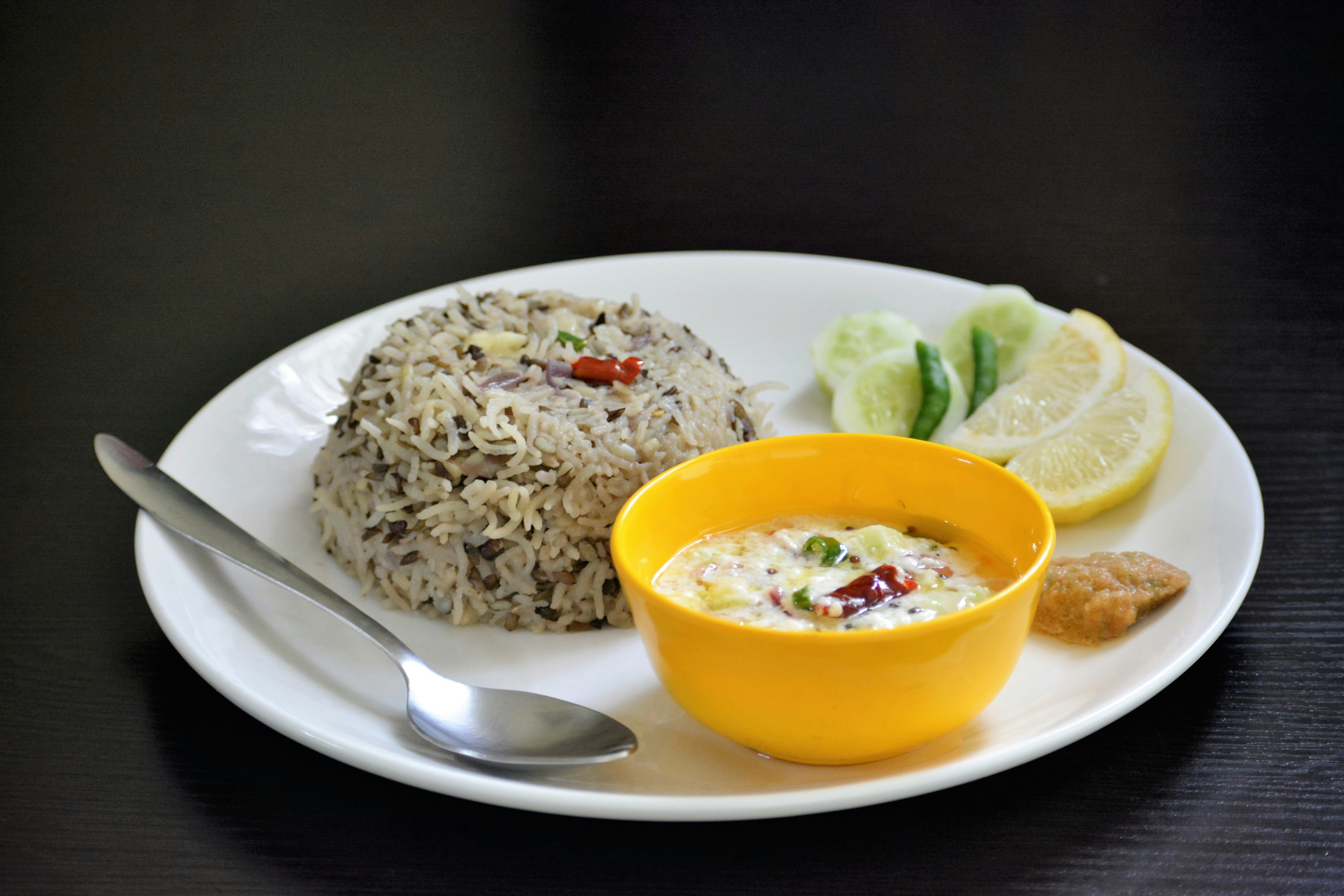
Introduction to Rajma Chawal
Rajma Chawal is a cherished dish originating from North India, consisting of kidney beans, known as rajma, served alongside steamed rice, referred to as chawal. This combination serves not only as a staple food for many Indian households but also holds significant cultural value across the country. With its roots traced back to the Northern Himalayan region, rajma has evolved into a beloved meal that is appreciated for both its flavor and nutritional benefits.
Rajma Chawal is particularly popular in the states of Punjab, Himachal Pradesh, and Jammu. It is often prepared in homes during festive occasions, family gatherings, or simply as a comforting weeknight meal. The simplicity of cooking kidney beans in a richly spiced gravy and serving it with fluffy rice renders it both easy to make and delightfully satisfying. The dish is frequently complemented with accompaniments like pickles, yogurt, and salad, enhancing its overall appeal and making it a hearty, wholesome meal.
This dish’s popularity transcends geographical boundaries; it has made its mark not just on Indian palates but has also found favor among food enthusiasts globally. The comforting nature of Rajma Chawal, combined with its rich nutritional profile—providing ample protein, fiber, and essential vitamins—contributes to its status as a family-favorite. Furthermore, it is often lauded for its ability to bring people together, especially when served in large quantities for gatherings or celebrations. As a quintessential element of North Indian cuisine, Rajma Chawal represents not just a meal, but a tradition of warmth and hospitality that resonates throughout the region.
Ingredients Needed for Rajma Chawal
Cooking Rajma Chawal, a popular North Indian dish, requires a selection of key ingredients that are essential for achieving its signature flavor and texture. The primary ingredient is kidney beans, known as “rajma” in Hindi. When selecting kidney beans, one can choose between dried and canned varieties. Dried kidney beans offer a richer flavor and are generally more economical. They need to be soaked overnight and boiled until tender for the best results. Canned beans provide convenience, as they are pre-cooked but may lack some depth in flavor.
The second critical ingredient is rice, typically basmati rice, which complements the rajma beautifully. Basmati rice is known for its long grains and aromatic properties. For a more authentic experience, one might consider alternatives such as jeera rice, which includes cumin for added flavor, or even brown rice for a healthier twist.
Spices play an integral role in enhancing the overall flavor profile of Rajma Chawal. Commonly used spices include cumin seeds, turmeric, coriander powder, garam masala, and red chili powder. Each spice contributes unique notes, and adjustments can be made based on regional variations or personal taste preferences. Freshly ground spices are recommended, as they provide a stronger aroma and potent flavor compared to their pre-ground counterparts.
To enhance the dish further, additional ingredients such as chopped onions, garlic, ginger, and tomatoes are typically included. These contribute to a hearty gravy. For those looking to experiment, adding a touch of yogurt or cream can elevate the dish’s richness. The importance of freshness cannot be overstated; always opt for fresh vegetables and spices when preparing Rajma Chawal. Sourcing high-quality ingredients from local markets can significantly impact the final outcome of this beloved dish.
Step-by-Step Cooking Instructions
To prepare Rajma Chawal at home, begin by soaking the kidney beans (rajma) for at least 8 hours or overnight. This step is crucial, as it hydrates the beans, making them tender and reducing cooking time. After soaking, rinse the beans under cold water before transferring them to a pressure cooker. Add fresh water, ensuring it covers the beans by a few inches. Cook under medium-high heat for approximately 15-20 minutes, allowing the pressure to release naturally afterward.
While the beans are cooking, you can start preparing the accompanying rice. Use long-grain basmati rice for the best results. Rinse the rice under cold water until the water runs clear, then soak it for 30 minutes. Drain the rice and cook it in a pot with twice as much water as rice, bringing it to a boil. Once boiling, reduce the heat to low and cover the pot, letting it simmer for about 15 minutes until all the water is absorbed.
Next, focus on the curry sauce that will accompany the beans. In a separate pan, heat two tablespoons of oil on medium heat. Add cumin seeds and allow them to crackle. Then, add finely chopped onions and sauté until they turn golden brown. Introduce minced ginger and garlic, cooking for an additional minute before adding chopped tomatoes. Cook until the tomatoes are soft, creating a flavorful base.
Once the tomato and onion mixture has thickened, stir in the cooked kidney beans along with the water they were cooked in. Add spices such as coriander and garam masala for depth of flavor. Simmer the curry for about 10-15 minutes, allowing the beans to absorb the spices. Taste and adjust seasoning with salt as needed. To avoid common mistakes, ensure the beans are fully cooked before adding them to the curry and avoid overcooking the rice, as this can lead to mushiness.
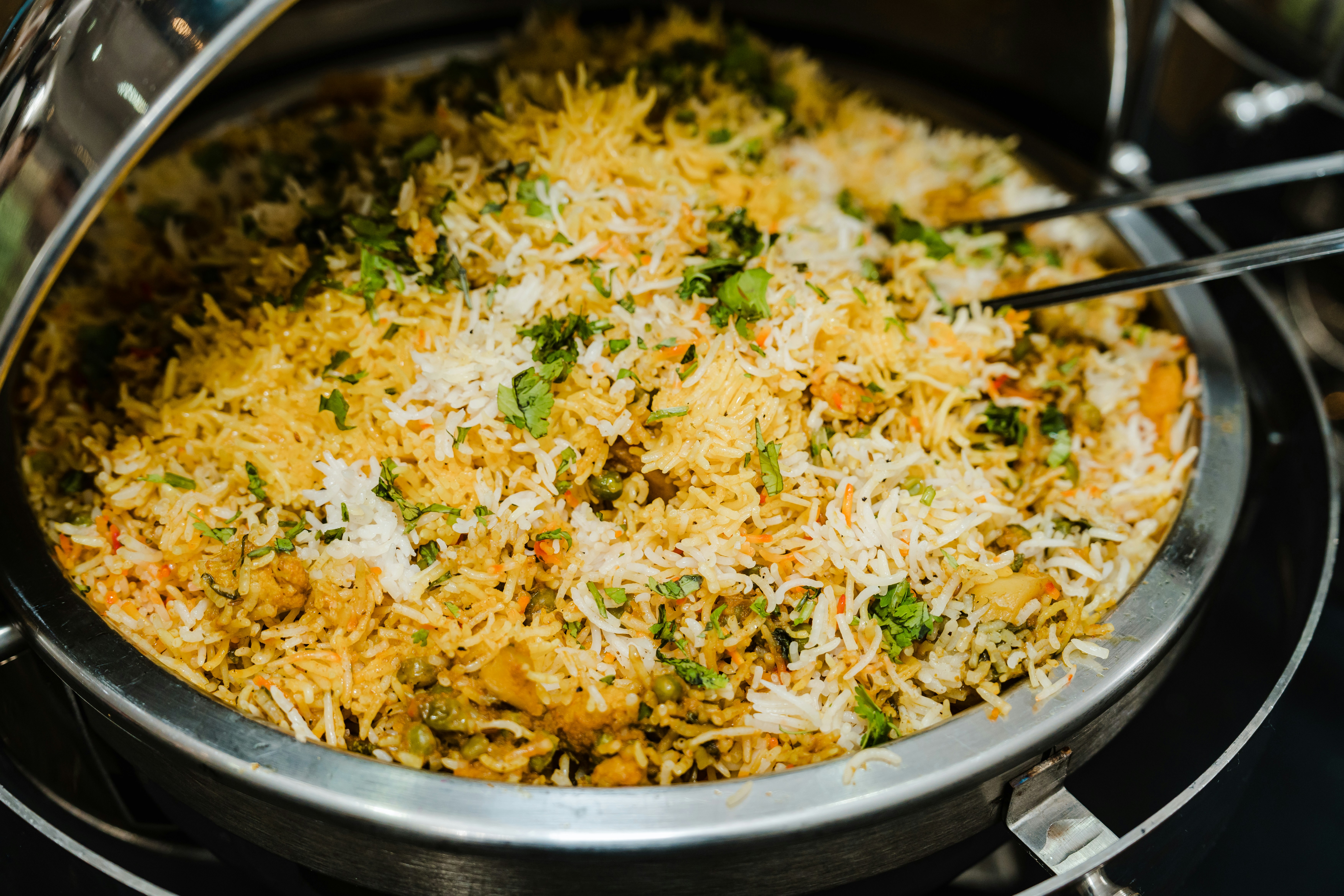
Finally, serve the Rajma over a bed of fluffy basmati rice, garnishing with fresh cilantro. This dish pairs beautifully with a side of pickles or yogurt, enhancing the overall experience of this classic North Indian comfort food.
Serving Suggestions and Variations
Rajma Chawal, a beloved North Indian staple, can be elevated to new heights with a variety of accompaniments and serving suggestions. Traditionally, this dish is enjoyed with steaming rice, but there are numerous ways to enhance its flavor profile. To begin with, consider adding a side of tangy salad, which can include sliced cucumbers, onions, and tomatoes dressed with lemon juice and a sprinkle of salt. This fresh accompaniment adds texture and balances the richness of the kidney beans.
Another excellent pairing is the inclusion of pickles, which contribute a sharpness that complements the creamy textures of Rajma Chawal. A popular choice is mango pickle, although any regional pickle can add a delightful zing. Additionally, serving a crispy papad on the side provides a satisfying crunch and is a favorite among many households.
As for variations, the beauty of Rajma Chawal lies in its versatility. Different regions in India have their unique twists on this dish. For instance, in the coastal regions, coconut can be added for a rich flavor, while in Punjab, the dish is often cooked with a more robust spice blend, incorporating garam masala, cumin, and coriander powders. Furthermore, one might consider incorporating vegetables to the Rajma curry. Ingredients such as bell peppers, carrots, or even spinach can add nutritional value and a visually appealing color contrast.
One can also experiment with different types of beans, such as black beans or pinto beans, to create a variation that suits personal preferences. The cooking spices can also be adjusted; adding a hint of dried fenugreek leaves or a dash of chili powder can elevate the dish to new heights. By exploring these options, you can truly personalize Rajma Chawal in a way that reflects your unique tastes and culinary creativity.

Leave a Reply