

Introduction to Biryani
Biryani is not just a dish; it is a culinary masterpiece that embodies a rich history and cultural significance across various regions. Originating from the Persian word “birian,” which means “fried before cooking,” biryani has evolved over centuries. This aromatic rice dish is prepared with layers of marinated meat or vegetables, meticulously cooked with fragrant basmati rice, creating a delightful experience for the palate.
The history of biryani can be traced back to the Mughal era in India, where it was brought by Muslim travelers and merchants from Persia. They introduced a refined method of cooking rice with meat, using a plethora of spices that not only enhanced flavors but also preserved the ingredients, making it a beloved dish across cultures. Over time, this dish has diversified, leading to the development of various regional interpretations. For instance, the Hyderabadi biryani is known for its unique style of layering and the use of saffron, while Kalyani and Lucknowi biryanis are celebrated for their fragrant rice and subtle spices.
Biryani holds special importance in numerous festivities and celebrations, often served during weddings, family gatherings, and religious feasts. The variations of biryani can broadly be classified into vegeterian and non-vegetarian versions, catering to diverse preferences. The non-veg biryani typically features marinated chicken, lamb, or goat, infused with spices and cooked to perfection. On the other hand, the veg biryani incorporates an array of seasonal vegetables and sometimes paneer, all enhanced by the aromatic spices synonymous with biryani.
From the masala-rich, succulent renditions to the simpler, lighter vegetarian options, biryani continues to evolve, not only in its preparation but also in its integration into various cultural narratives. The captivating aroma and rich flavors ensure that each serving is not just a meal but a celebration of heritage and culinary tradition. As we explore the intricacies of biryani further, we will uncover the detailed steps required to create both the vegetarian and non-vegetarian variations of this beloved dish.
Ingredients Needed for Veg and Non-Veg Biryani
When embarking on the journey of making biryani, whether vegetarian or non-vegetarian, it is essential to gather the right ingredients to elevate the dish’s flavors and authenticity. The following list encompasses all necessary components for crafting an exquisite biryani.
1. Rice: The foundation of any biryani is high-quality basmati rice. The choice of rice is crucial, as it should be long-grained and aromatic. Ensure to wash and soak the rice for at least 30 minutes prior to cooking; this helps achieve the perfect fluffiness.
2. Spices: A distinctive blend of spices is what gives biryani its signature taste. Common spices include cardamom, cloves, cinnamon, cumin, and bay leaves. Additionally, one may consider using saffron or turmeric for color and flavor. Whole spices are recommended as they lend a deeper aroma compared to ground spices.
3. Vegetables (for Veg Biryani): A variety of vegetables can be used, including potatoes, carrots, beans, and peas. Ensure that the vegetables are fresh and cut into uniform pieces to ensure even cooking. Incorporating green chilies can enhance the dish’s spiciness according to individual preference.
4. Meat Options (for Non-Veg Biryani): For non-vegetarian biryani, common choices include chicken, mutton, or beef. Select cuts that are tender, such as thigh pieces for chicken or lamb shanks for mutton, to ensure they remain juicy and flavorful during cooking.
5. Other Ingredients: Ingredients like yogurt, fried onions, and fresh herbs such as cilantro and mint are also vital. Yogurt tenderizes meat and provides creaminess, while fried onions add a rich flavor and texture. Fresh herbs contribute a refreshing element and aromatic quality.
Tips on Ingredient Selection: Always opt for fresh and high-quality ingredients. Visit local markets or trusted grocery stores to find the best produce and spices. Organic options can also be considered for a more natural taste. Remember that the quality of ingredients directly affects the final outcome of biryani.
Step-by-Step Preparation of Veg Biryani
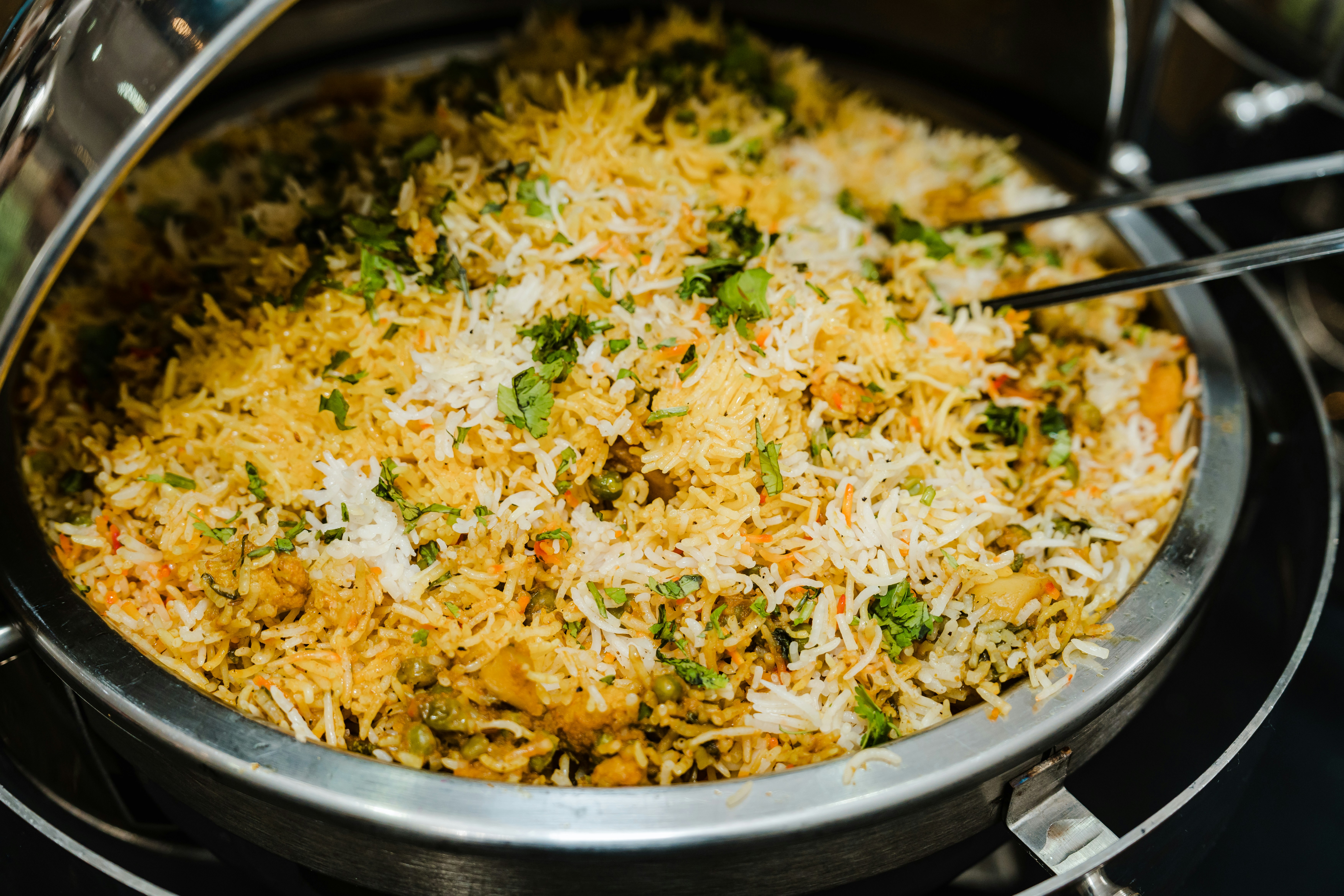
Preparing a delicious veg biryani requires attention to detail, particularly when it comes to the separate cooking of rice and vegetables, along with the proper layering techniques to enhance flavor and texture. The following steps provide a comprehensive guide to crafting a perfect veg biryani.
Start by gathering your ingredients, including high-quality basmati rice, a variety of fresh vegetables such as carrots, peas, and potatoes, and essential spices like cumin, bay leaves, and garam masala. It is critical to rinse the basmati rice under cold water until the water runs clear, typically three to four times, to remove excess starch that can lead to a sticky outcome.
Next, soak the rice in water for at least 30 minutes. This step is vital as it allows the grains to absorb moisture, ensuring they cook evenly and retain their shape during the cooking process. While the rice is soaking, prepare the vegetables by chopping them into uniform pieces to achieve even cooking.
In a heavy-bottomed pot, heat some oil or ghee and add the whole spices, allowing them to splutter before introducing finely chopped onions. Sauté the onions until they are golden brown, enhancing the biryani’s overall flavor. Proceed to add the chopped vegetables, cooking them until just tender. Incorporating fresh herbs such as mint and cilantro at this stage can elevate the dish’s aroma.
After the vegetables are cooked, season the mix with salt and a blend of spices, including turmeric and red chili powder, followed by the drained rice. Gently layer the soaked rice over the vegetables. Then, add enough water to cover the rice by an inch. For added depth of flavor, including saffron strands soaked in warm milk is highly recommended.
Now, cover the pot tightly with a lid, ensuring no steam escapes, and reduce the heat. Cooking on low heat is essential to allow the rice to cook through while absorbing all the flavors from the vegetables and spices. This step typically takes about 20-25 minutes. Once complete, let the biryani rest off the heat for approximately 10 minutes before serving.
The final step involves gently fluffing the biryani with a fork to separate the grains, ensuring a delightful presentation. Serving the veg biryani with raita or a salad can enhance the meal experience, making it not just a dish but a celebration of flavors.
Step-by-Step Preparation of Non-Veg Biryani
Preparing a delectable non-veg biryani involves a series of well-defined steps that can be mastered by following a structured approach. The first and foremost step is to select the right type of meat, typically chicken, mutton, or beef, which should be fresh and of good quality. Once the meat is chosen, it is crucial to marinate it properly to ensure flavor penetration. A basic marinade typically includes yogurt, ginger-garlic paste, and an assortment of spices such as cumin, coriander, turmeric, and garam masala. Allow the meat to marinate for at least two hours, though overnight is preferable to maximize flavor.
Next, the cooking method plays a vital role in the overall texture of the biryani. The marinated meat is traditionally cooked in a heavy-bottomed pot, which helps in evenly distributing heat. Start by heating oil or ghee and adding whole spices like bay leaves, cardamom, and cloves to infuse the oil with their aromas. Once the spices are fragrant, add sliced onions and cook them until golden brown, which will contribute a rich flavor base for the dish.
After that, the marinated meat can be added to the pot. You should cook it on a medium flame until the meat is tender and thoroughly cooked, which typically takes about 20-30 minutes. During this time, it’s essential to maintain a careful balance of spices, ensuring neither the flavors nor the heat overpowers the dish.
While the meat cooks, prepare the rice with just the right amount of time to ensure each grain remains separate. Parboiling the rice is crucial, as it will continue to cook when layered with the meat. Once both components are ready, it’s time to layer. Start with a layer of meat, followed by the parboiled rice, and top it with fried onions, herbs like coriander and mint, and a drizzle of saffron-infused milk for aroma and color.
Cover the pot tightly and cook the biryani on a low flame for around 30 minutes to allow the flavors to meld beautifully, known as the ‘dum’ technique. This method ensures a fragrant and rich flavor is achieved. After the cooking time is complete, gently fluff the biryani with a fork and serve it hot, garnished with fresh herbs and accompanied by raita or salad.




Leave a Reply