

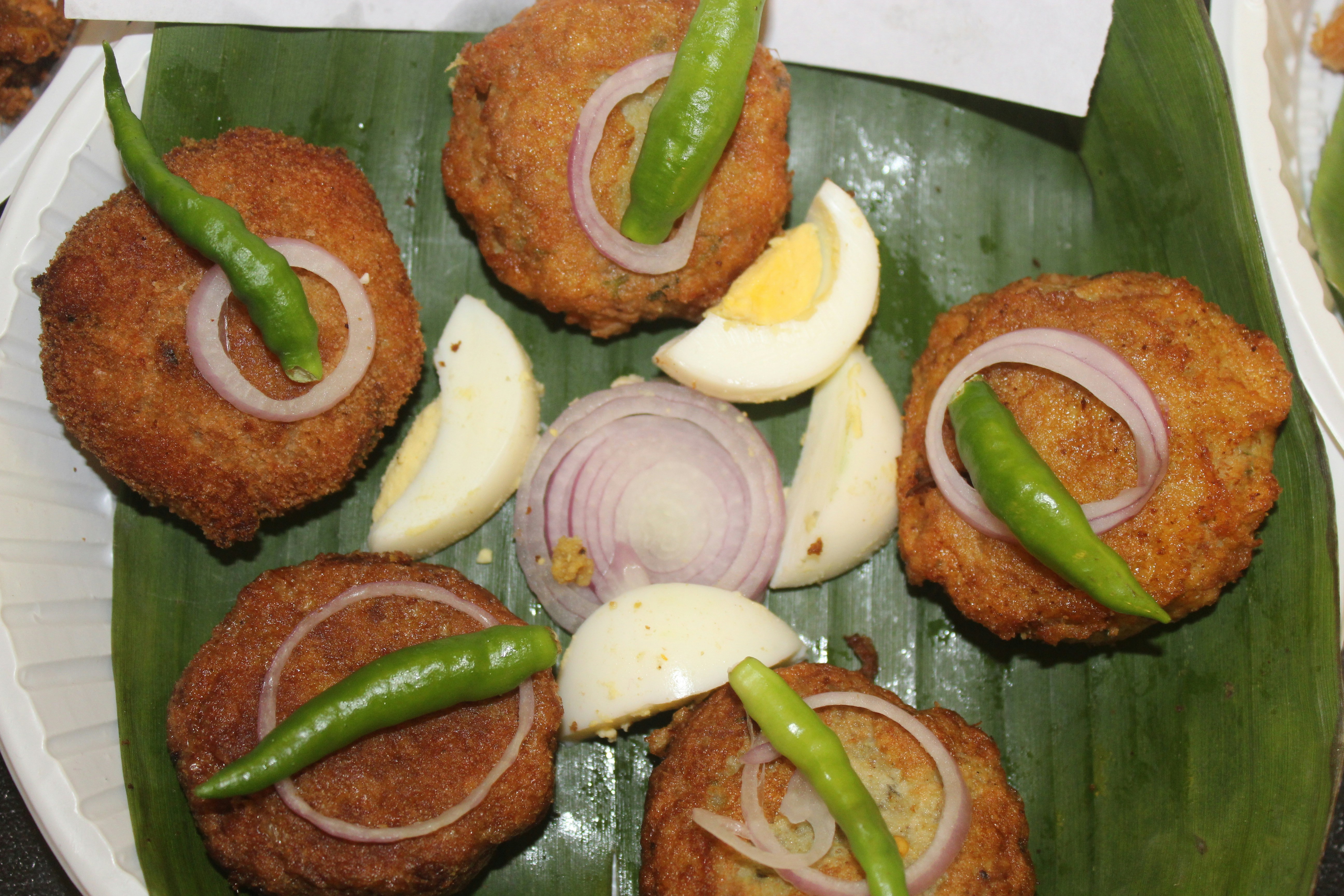
Introduction to Bihari Cuisine
Bihari cuisine is a vibrant tapestry woven from the region’s rich history, cultural significance, and agricultural abundance. Nestled in the eastern part of India, Bihar boasts a culinary tradition that is as diverse as its population. The food landscape of Bihar offers an array of flavors, aromas, and textures, each dish telling a story of traditions that have been meticulously passed down through generations.
At the heart of Bihari cuisine lies its agricultural heritage. The fertile plains of the Ganges basin support a variety of crops, including rice, wheat, and lentils, which form the foundation of many local dishes. Maize and millet are also significant, reflecting the agrarian lifestyle of the region. This agricultural influence cannot be understated, as the availability of fresh, seasonal produce directly impacts the flavors and preparation methods used in Bihari cooking.
The cultural significance of food in Bihar extends beyond mere sustenance; it is intertwined with festivals, rituals, and social gatherings. Traditional dishes are often prepared during major Hindu festivals like Chhath and Makar Sankranti, showcasing the connection between food and celebration. The diversity in flavors is not just a reflection of local ingredients but also encapsulates the myriad of communities that reside in this state, each contributing unique tastes and cooking styles.
While contemporary cooking trends have influenced many regions, traditional Bihari cooking methods have remained resilient. Techniques such as slow cooking in clay pots, use of natural spices, and preparation of pickles and chutneys are still prevalent. These methods preserve the authenticity of the flavors, allowing the cuisine to thrive in the modern culinary landscape.
In conclusion, Bihari cuisine exemplifies a blend of agricultural richness and cultural heritage. Its diverse array of dishes, shaped by history and tradition, invites exploration and appreciation from food enthusiasts worldwide.
Litti Chokha: The Quintessential Bihari Dish
Litti Chokha is an iconic dish from Bihar, encapsulating the essence of traditional Bihari cuisine. This unique culinary creation consists of round wheat balls known as litti, which are skillfully stuffed with sattu, a roasted gram flour that is a staple in many Bihari households. The litti is then cooked over charcoal, imparting a distinctive smoky flavor that enhances its overall taste.
The preparation of litti involves a meticulous process. To prepare the dough, whole wheat flour is mixed with water, and a pinch of salt till it achieves the perfect consistency. The sattu, which is the star ingredient, is further enhanced with spices, herbs, and sometimes even ingredients like chopped onions or green chilies for added flavor. These ingredients are mixed into the sattu to create a rich filling. Once the dough is kneaded, small balls are made and stuffed with the prepared sattu mixture before being shaped into rounds.
Cooking the litti is an art in itself. Traditionally, the stuffed balls are roasted over an open charcoal fire, lending them a unique texture and flavor profile. The outer layer becomes crisp, while the inside remains soft and flavorful. Litti is often served alongside Chokha, which is a delicious mash of roasted eggplant, tomatoes, and potatoes blended with spices. The combination of litti and Chokha not only delights the palate but also creates a filling, hearty meal.
Variations of this beloved dish exist across regions, with some adding different vegetables to the Chokha or garnishing it with onion and coriander. This adaptability is a testament to the enduring popularity of Litti Chokha, making it a must-try for anyone exploring the culinary delights of Bihar. This dish not only represents the rich agricultural heritage of Bihar but also showcases the region’s culinary excellence, firmly establishing itself as a staple in Bihari cuisine.
Sattu Paratha: A Fiber-Rich Delight
Sattu Paratha is a popular dish that originates from the state of Bihar, known for its health benefits and delightful taste. This nutritious wheat flatbread is typically filled with a spiced mixture of sattu, which is flour made from roasted chickpeas or other legumes. The preparation of Sattu Paratha involves several steps but is quite manageable and results in a delicious meal.
To prepare the dough, start with whole wheat flour (atta) which is the main ingredient. In a mixing bowl, combine 2 cups of whole wheat flour with a pinch of salt. Gradually add water to form a soft and pliable dough. Cover the dough with a damp cloth and allow it to rest for about 30 minutes, which will help achieve a softer texture.
Meanwhile, prepare the filling. In a separate bowl, mix 1 cup of sattu with spices such as cumin powder, black pepper, and salt. Adding chopped onions, green chilies, and fresh coriander enhances the flavor. To bind the mixture, add a drizzle of mustard oil or water until the mixture holds together but is not overly moist.
After the resting period, divide the dough into equal-sized balls. Take one ball and flatten it slightly, then make a small indentation in the center. Place a generous spoonful of the prepared sattu filling inside this indentation. Carefully bring the edges of the dough together to encase the filling, pinching to seal it securely.
Next, dust the stuffed ball lightly with flour and roll it out gently with a rolling pin into a disc, ensuring that the filling does not escape. Heat a skillet or tawa over medium heat. Once hot, place the rolled paratha on the skillet. Cook for 1-2 minutes on each side until golden brown, brushing lightly with ghee or oil to enhance flavor and texture.
For the perfect Sattu Paratha, it is crucial to maintain the correct heat; too high can burn the outside while leaving the inside uncooked. Serve hot with a side of yogurt or pickle, and enjoy this fiber-rich delight that captures the essence of Bihari cuisine.
Kadhi Bihari: A Tangy Yogurt Curry
Kadhi Bihari is a traditional yogurt-based curry, celebrated in the culinary landscape of Bihar. This dish typically features gram flour, or besan, which is combined with yogurt to create a unique and delightful flavor profile. The base is enriched with a variety of spices, resulting in a tangy and aromatic dish that is both comforting and satisfying. Making Kadhi Bihari involves several critical steps that ensure the right consistency and flavor are achieved.
To prepare Kadhi Bihari, start by whisking yogurt until it is smooth. Mix in besan and enough water to create a thin batter, which will serve as the main component of the curry. The ratio of yogurt to besan is crucial; it should be balanced to ensure that the kadhi is neither too thick nor too watery. Next, this mixture is cooked on medium heat, allowing the flavors to meld together beautifully. Stirring continuously is essential, as it prevents lumps from forming and helps in achieving a silky texture.
Once the base is prepared, seasoning comes into play. Common spices used include turmeric, cumin seeds, and red chili powder, which not only enhance the taste but also add a vibrant color to the dish. A tempering of mustard seeds and curry leaves in oil completes the kadhi and infuses additional depth to the flavor. Allow the kadhi to simmer, which will also help it thicken slightly as it cooks.
When serving Kadhi Bihari, it is traditionally paired with steamed rice or chapatis, making for a wholesome meal. Additionally, pickles and papad can be excellent accompaniments that complement the tanginess of the kadhi, elevating the dining experience further. This dish embodies the essence of Bihari cuisine, offering a perfect blend of flavors that is sure to delight anyone’s palate.
Baigun Bharta: Smoky Eggplant Mash
Baigun Bharta is a traditional dish from Bihar that showcases the rich flavors of roasted eggplants. This smoky eggplant mash is not only delectable but also offers a unique amalgamation of spices and herbs that elevates its taste. To prepare this dish, the primary ingredient is the eggplant, which needs to be roasted until it is tender and charred. The roasting process is crucial as it imparts a smoky flavor, enhancing the dish’s complexity.
To start, choose medium-sized eggplants, preferably black ones, as they have a rich taste. Begin by preheating your oven or a gas stove. If using a stove, poke holes in the eggplant with a fork to prevent it from bursting due to steam during roasting. Place the eggplant directly over the flame, turning it occasionally until the skin is charred and the insides are soft, usually about 10-15 minutes. If you’re using an oven, wrap the eggplant in aluminum foil and roast at 400 degrees Fahrenheit for about 30-40 minutes.
Once roasted, allow the eggplant to cool slightly before handling it. After cooling, peel off the charred skin; it should come off easily. Place the roasted eggplant flesh in a bowl and mash it using a fork or a masher. To this, add finely chopped onions, tomatoes, green chilies, fresh coriander, and spices such as cumin, coriander powder, and turmeric. Season with salt according to your taste. For an extra layer of flavor, a drizzle of mustard oil can be added which is a signature touch in many Bihari dishes.
Baigun Bharta can be served with hot steamed rice or chapati, making it a wholesome meal. Garnish with fresh coriander leaves and enjoy this smoky delight that is a true representation of Bihari culinary heritage. With its rich texture and profound flavors, Baigun Bharta is undoubtedly a must-try dish for anyone wanting to explore the diverse cuisine of Bihar.
Chana Ghugni: A Protein-Packed Delight
Chana Ghugni is a traditional Bihari dish that highlights the versatility of black chickpeas, also known as kala chana. This nutritious recipe is not only rich in protein but also loaded with various essential vitamins and minerals, making it an excellent addition to any meal. The key ingredients for preparing Chana Ghugni include black chickpeas, onions, tomatoes, green chilies, ginger, garlic, and a blend of spices such as cumin, coriander, and turmeric. Often garnished with fresh herbs like cilantro and served with a squeeze of lime, it offers a burst of flavors and textures.
To begin cooking Chana Ghugni, the black chickpeas should be soaked overnight in water, allowing them to soften and reduce the cooking time. After soaking, rinse and drain the chickpeas, then pressure cook them until tender. In a separate pan, heat oil and sauté finely chopped onions until they turn golden brown. Add minced garlic and ginger, along with chopped green chilies, to create a fragrant base. Once the mixture is aromatic, incorporate diced tomatoes and cook until they break down, forming a thick gravy.
Next, carefully add the cooked black chickpeas to the pan and stir to coat them in the masala. Season with salt, turmeric, and other desired spices, adjusting to your taste preferences. To enhance the flavor of Chana Ghugni, consider adding toppings such as sliced onions, chopped tomatoes, green chilies, or even a drizzle of tamarind chutney, which adds a tangy twist. Additionally, serving it with accompaniments like poori or rice can elevate the overall dining experience, transforming it into a hearty meal. Chana Ghugni not only meets nutritional needs but also offers comfort food satisfaction, making it a must-try for anyone exploring the culinary delights of Bihar.
The Classic Bihari Thekua: A Sweet Snack
Thekua is a traditional Bihari sweet that holds a special place in the region’s culinary landscape. This delightful snack is typically made from a combination of wheat flour, jaggery, and grated coconut, offering a unique taste that is both rich and satisfying. The process of crafting Thekua involves several key steps which, when followed correctly, ensure a perfect blend of flavors and textures.
To begin, gather the essential ingredients: whole wheat flour, jaggery (or brown sugar if jaggery is unavailable), grated coconut, and a pinch of cardamom for added flavor. Start by melting the jaggery in a small amount of water over low heat. Once it dissolves, allow this mixture to cool to room temperature. In a mixing bowl, combine the wheat flour and grated coconut, ensuring an even distribution. Once mixed, gradually add the cooled jaggery syrup, kneading it into the flour until a soft yet firm dough forms. The dough should not be too sticky; if it is, a little more flour can be added to achieve the desired consistency.
Next, it’s time to shape the Thekua. Take a small portion of the dough and roll it into a ball, then flatten it slightly to form a disc, approximately half an inch thick. Create patterns on the surface using a fork to enhance its presentation while assisting with even cooking. To achieve the signature crunch, deep-frying is the preferred cooking method. Heat ghee or oil in a deep pan over moderate heat and carefully slide the discs into the hot oil. Fry them until they turn golden brown, turning occasionally to ensure even cooking.
Upon completion, allow the Thekua to drain on paper towels to remove excess oil. This sweet snack is best enjoyed when served warm but can also be stored in an airtight container for several days, maintaining its flavor and crunch. Thekua not only epitomizes the essence of Bihari cuisine but also reflects the region’s cultural heritage, making it a must-try for anyone exploring the culinary delights of Bihar.
Dal Puri: A Flavorful Bihari Bread
One of the quintessential dishes that represent the culinary landscape of Bihar is Dal Puri. This deep-fried flatbread, stuffed with a variety of spiced lentils, showcases the region’s rich food heritage. The combination of soft, fluffy bread with a flavorful lentil filling makes it a favorite during festivities and special occasions.
To prepare Dal Puri, one must first focus on the filling. Begin with split yellow gram lentils (chana dal), approximately one cup. Rinse the lentils thoroughly and soak them in water for about four to five hours. Once they are softened, drain them and transfer to a blender. Add a green chili, a small piece of ginger, and a pinch of salt. Blend until you achieve a coarse paste, ensuring some texture remains.
Next, in a pan, heat a couple of tablespoons of oil and add cumin seeds. Allow them to splutter before adding the lentil paste. Cook on medium heat for about 10 to 15 minutes, stirring occasionally. The filling should become thick and dry. Finally, incorporate some finely chopped coriander leaves and adjust the seasoning with salt as needed. Once done, set it aside to cool.
As for shaping the puris, prepare a dough using whole wheat flour, around two cups, and mix it with a pinch of salt and warm water. Knead to achieve a smooth and elastic texture. Divide the dough into small balls, about the size of a golf ball. Take one ball, flatten it slightly, and place a spoonful of the lentil filling in the center. Carefully fold the edges over the filling, sealing it tightly, and gently roll it out into a disc, ensuring not to press too hard on the filling.
For the frying process, heat oil in a deep pan until hot. Carefully slide the rolled puris into the oil, frying them until they puff up and turn golden brown. Flip them occasionally for even cooking, taking care not to overcook. Once done, remove them and drain on paper towels.
Dal Puri can be served hot, accompanied by tangy chutneys or pickles, making it a delightful addition to any meal. This treat not only exemplifies the flavors of Bihari cuisine but also brings a sense of tradition and joy to the dining table.
Kheer: A Sweet Rice Pudding
Kheer, a traditional Indian sweet rice pudding, holds a special place in the culinary landscape of Bihar. This creamy dessert is primarily made with rice, milk, and sugar, creating a rich and indulgent treat that is loved by many. The essence of Kheer lies in its simplicity and the ability to adapt to various occasions and personal preferences.
The preparation of Kheer begins with washing the rice thoroughly to remove excess starch. Typically, Basmati rice is preferred for its distinct aroma and fluffy texture, but other varieties can be used as well. The rice is then boiled in milk, which can be fresh or evaporated, until it becomes tender. The slow-cooking process allows the rice to absorb the milk, resulting in a creamy consistency. Once the rice is cooked, sugar is added to enhance the sweetness, and the mixture is simmered gently to ensure a smooth texture.
There are several variations of Kheer that may include ingredients such as cardamom for flavor or saffron for color and richness. Additionally, nuts like almonds, cashews, and pistachios can be incorporated, adding a delightful crunch and elevating the dish’s visual appeal. To further enhance the experience, decorative garnishing, like a sprinkle of dried fruits or a drizzle of condensed milk, can be done. These toppings not only add flavor but also signify the celebratory nature of Kheer.
Kheer is often prepared during festive occasions in Bihar, such as weddings, religious ceremonies, and festivals like Diwali and Eid. Its significance is deeply embedded in cultural traditions, symbolizing prosperity and happiness. Sharing Kheer during such events fosters a sense of community and celebration among families and friends.
In conclusion, Kheer represents more than just a dessert; it is a celebration of rich tastes and cultural heritage in Bihar. Whether enjoyed on special occasions or as an everyday treat, this sweet rice pudding is a delightful reflection of the region’s culinary artistry.

Leave a Reply